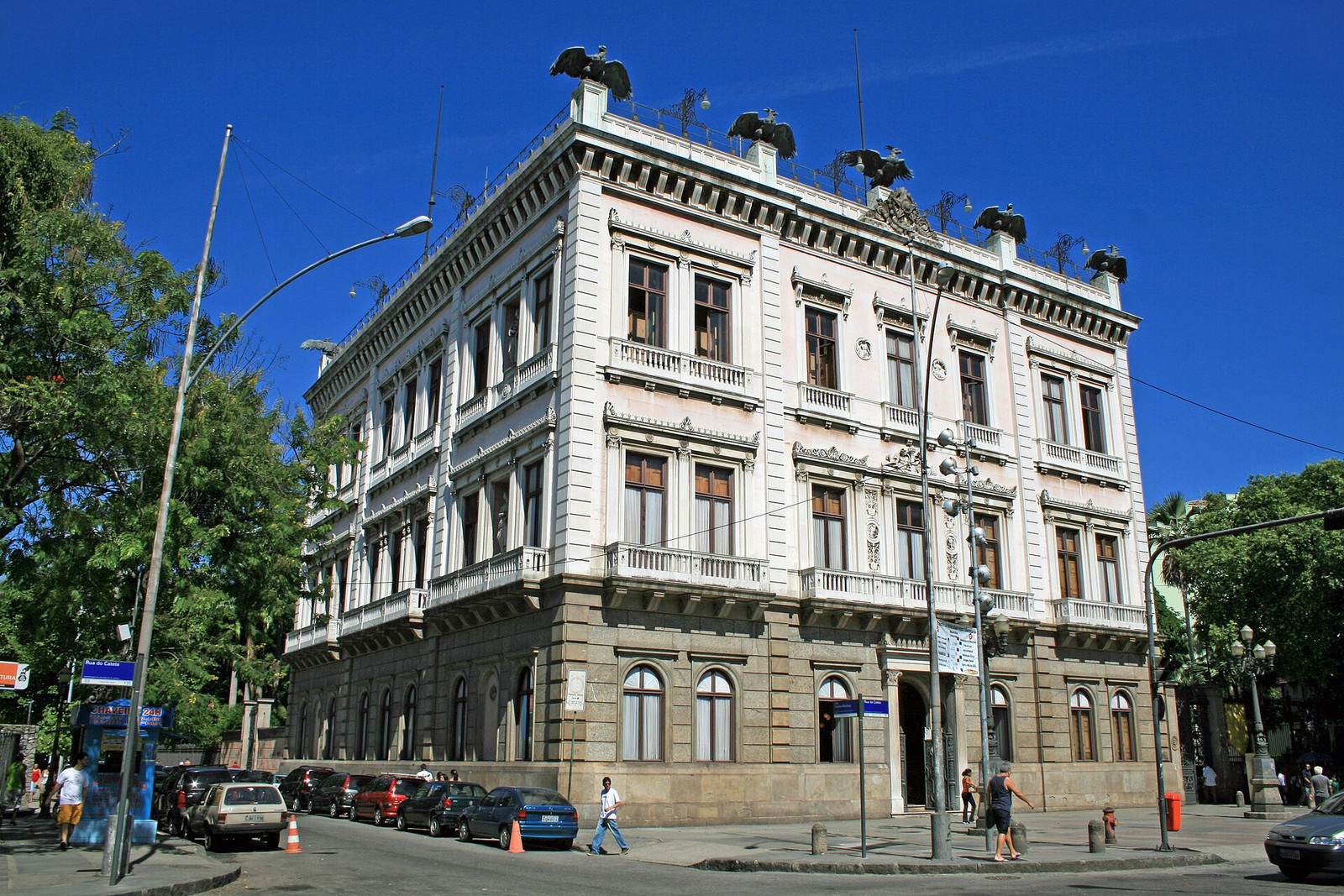
Palácio do Catete preserves two distinct periods of use: its construction for a coffee baron and its 63 years as Brazil’s presidential seat.
The federal government adapted a richly decorated private residence for administrative work and presidential family life. Despite successive alterations, the nineteenth-century salons, galleries, painted ceilings, and garden remained visible throughout its political use.
A fortune made visible
Antônio Clemente Pinto, Baron of Nova Friburgo, commissioned the mansion in 1858. The German architect Carl Friedrich Gustav Waehneldt designed a three-story, Renaissance-influenced eclectic composition with strong neoclassical elements, a rusticated base, ordered façades, and imported ironwork. Construction was substantially complete by 1866, although institutional records also date the campaign through 1867.[1][2]
The palace was financed by wealth accumulated in the coffee economy of the Paraíba Valley. Museum research identifies coffee farming and export, slave trading, lending and crop finance, and railway investment among Clemente Pinto’s activities. The same research presents the property as a surviving monument to the economic power of Brazil’s nineteenth-century coffee-growing and slaveholding elite.[2]
_164.jpg)
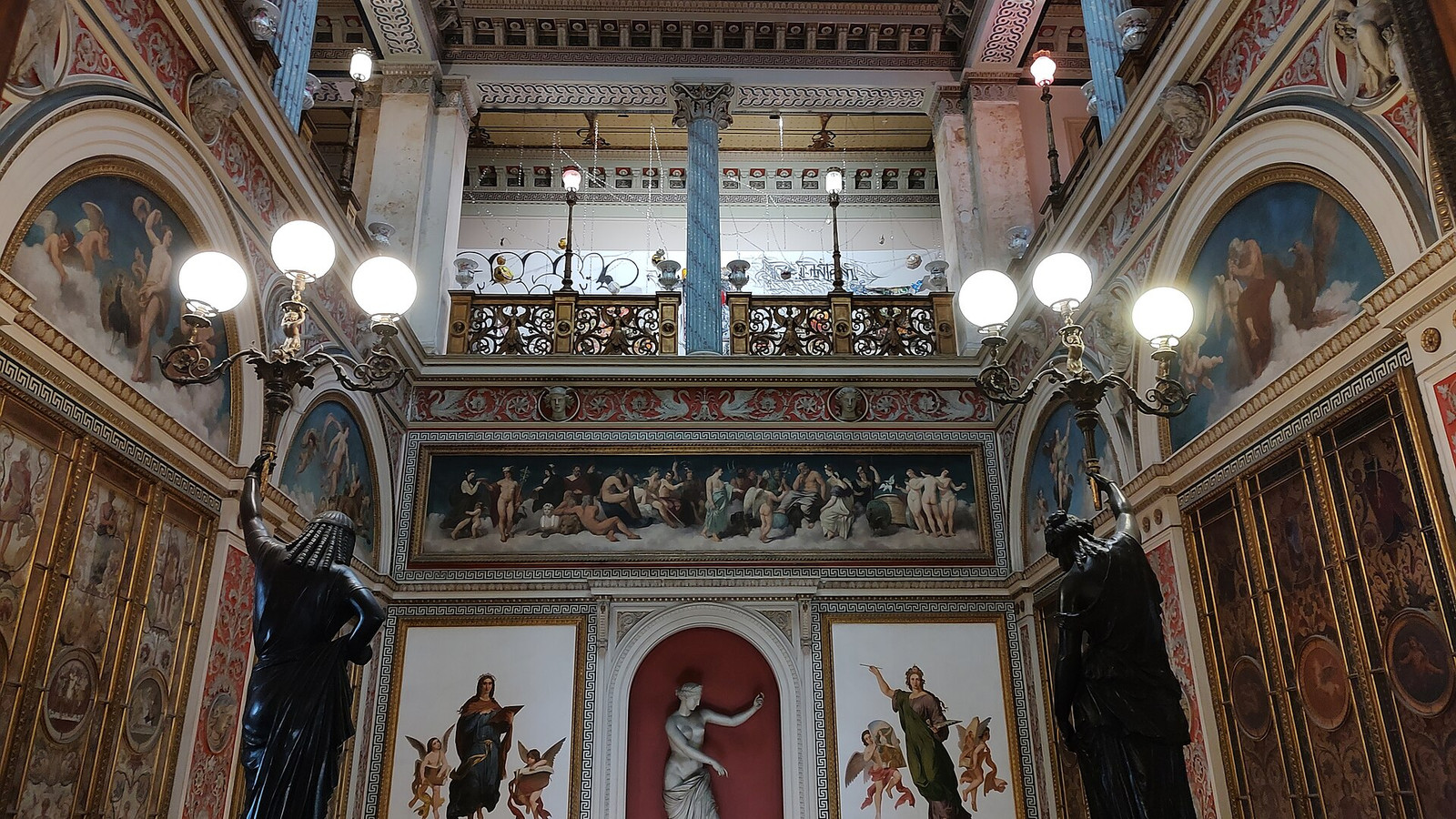
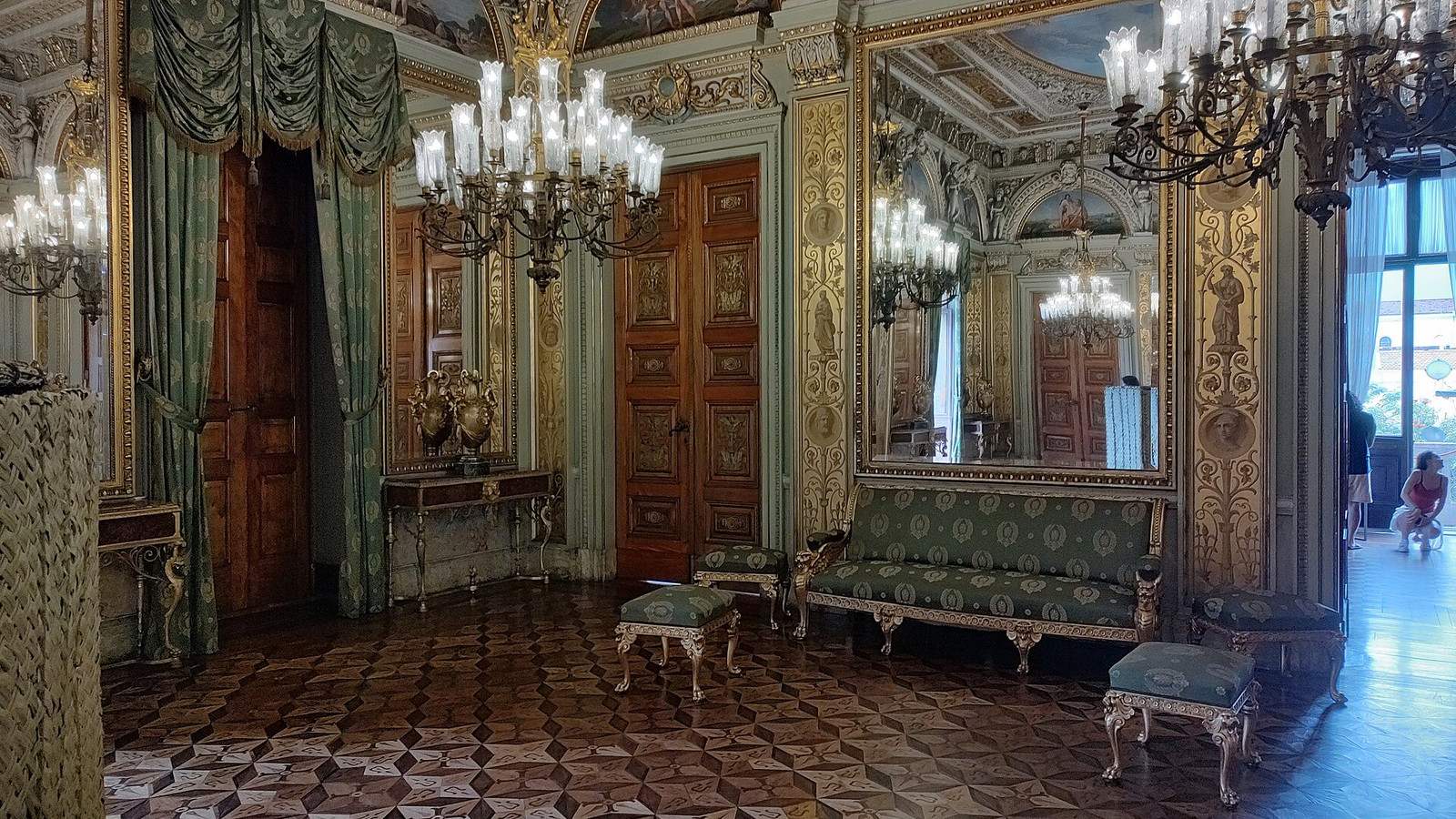
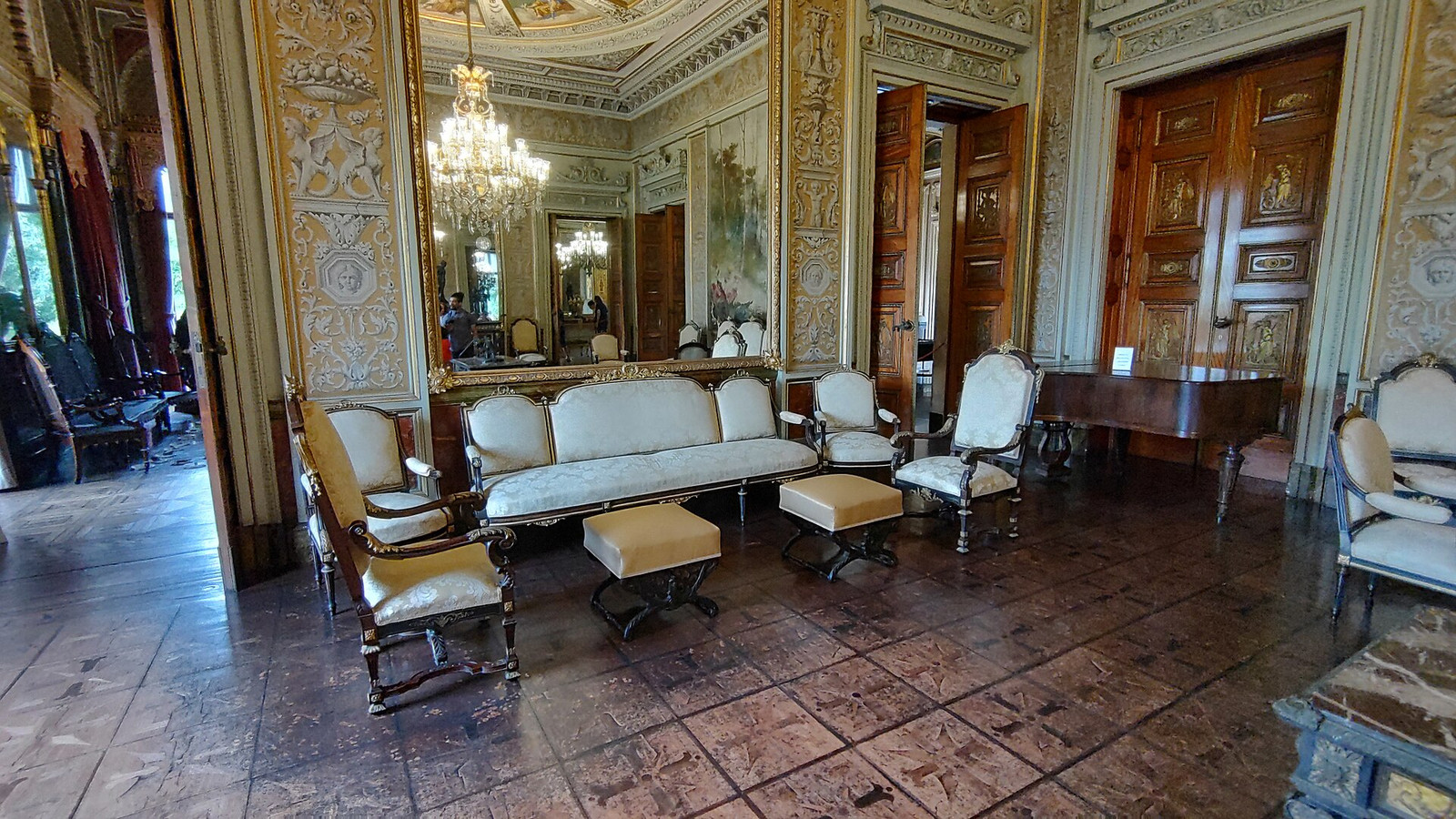
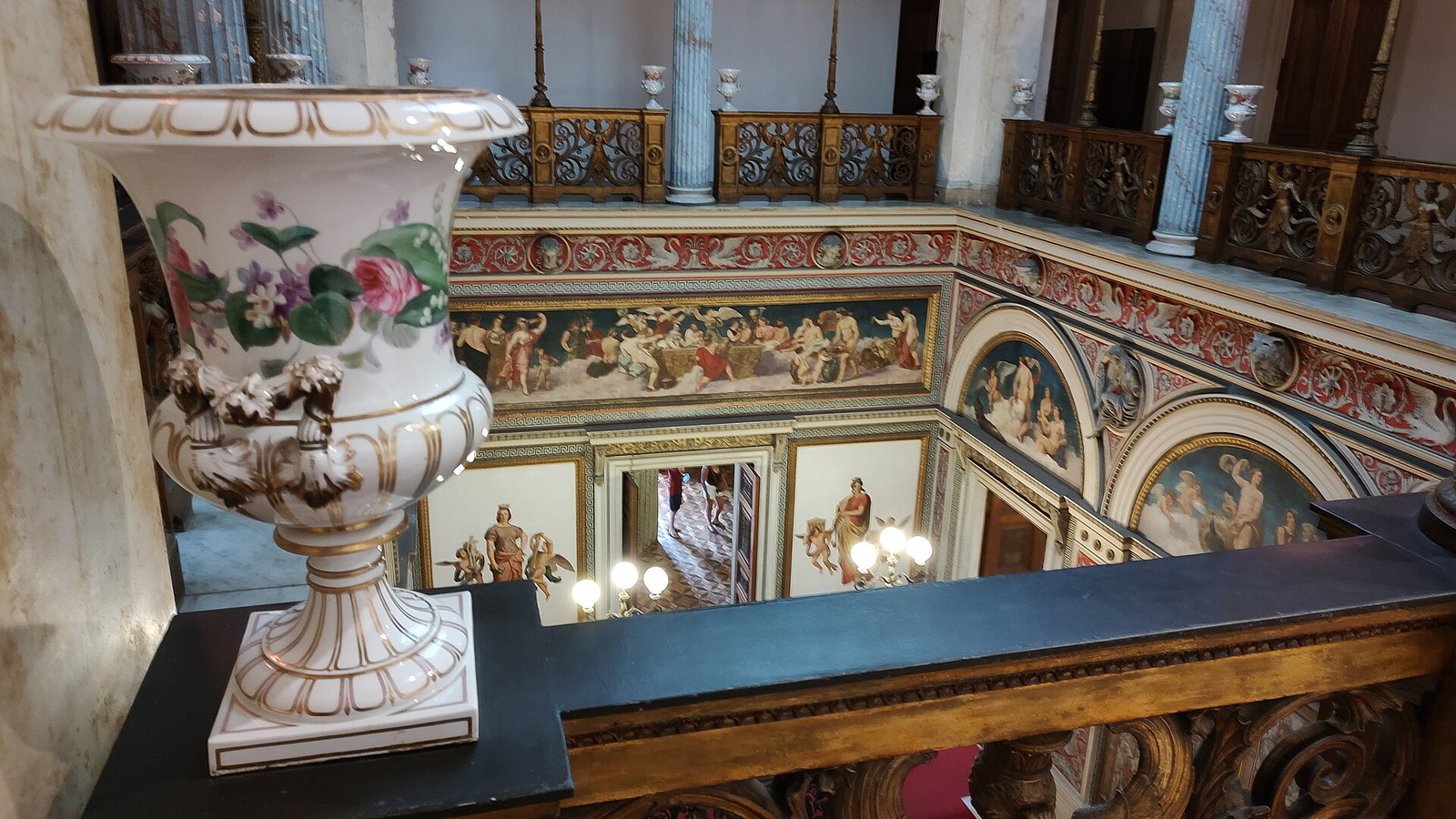
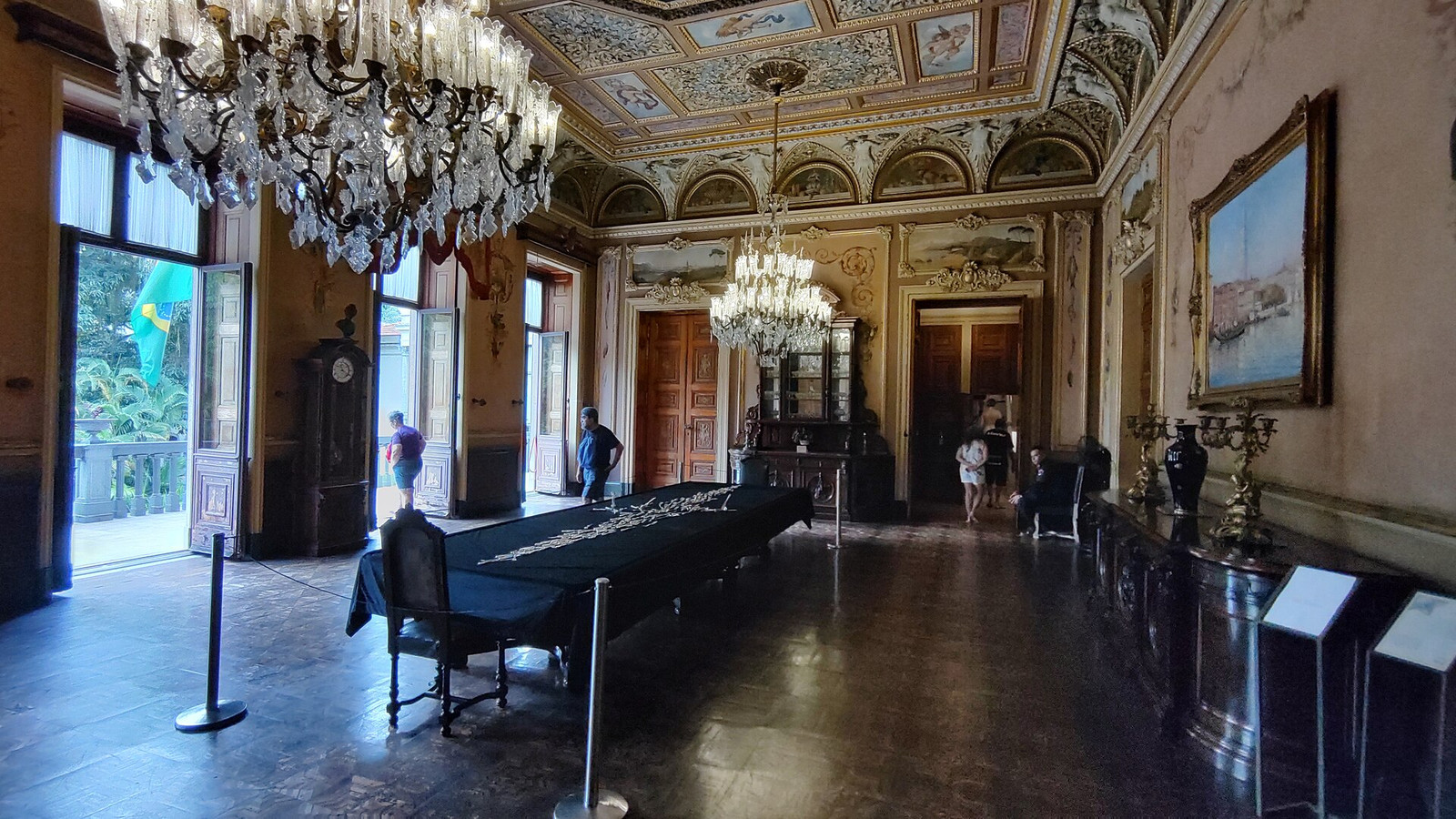
Industrial production and ornamental display were combined from the beginning. The roof structure and numerous structural and decorative iron components were manufactured in Germany and assembled in Rio. Inside, painted ceilings, parquet floors, mirrors, chandeliers, and carved doors distinguished the principal rooms.
_152.jpg)
Each room carried its own palette and historical references. The result was not a uniform interior but a succession of distinct settings joined by galleries, doors, and views between floors.
The republic moved into a mansion
After the baron’s death, the property passed through family and corporate ownership before the federal government acquired it on April 18, 1896. Engineer Aarão Reis directed its adaptation for presidential use. The palace’s first official function in that role was a reception on February 24, 1897 for Vice President Manoel Vitorino, then exercising the presidency while Prudente de Morais was on medical leave.[1][4]
_176.jpg)
The conversion required the mansion to accommodate offices, reception and meeting spaces, and residential use by presidents and their families. The museum archive preserves construction accounts, correspondence, floor plans, photographs, and records of the 1890s adaptation.[4]
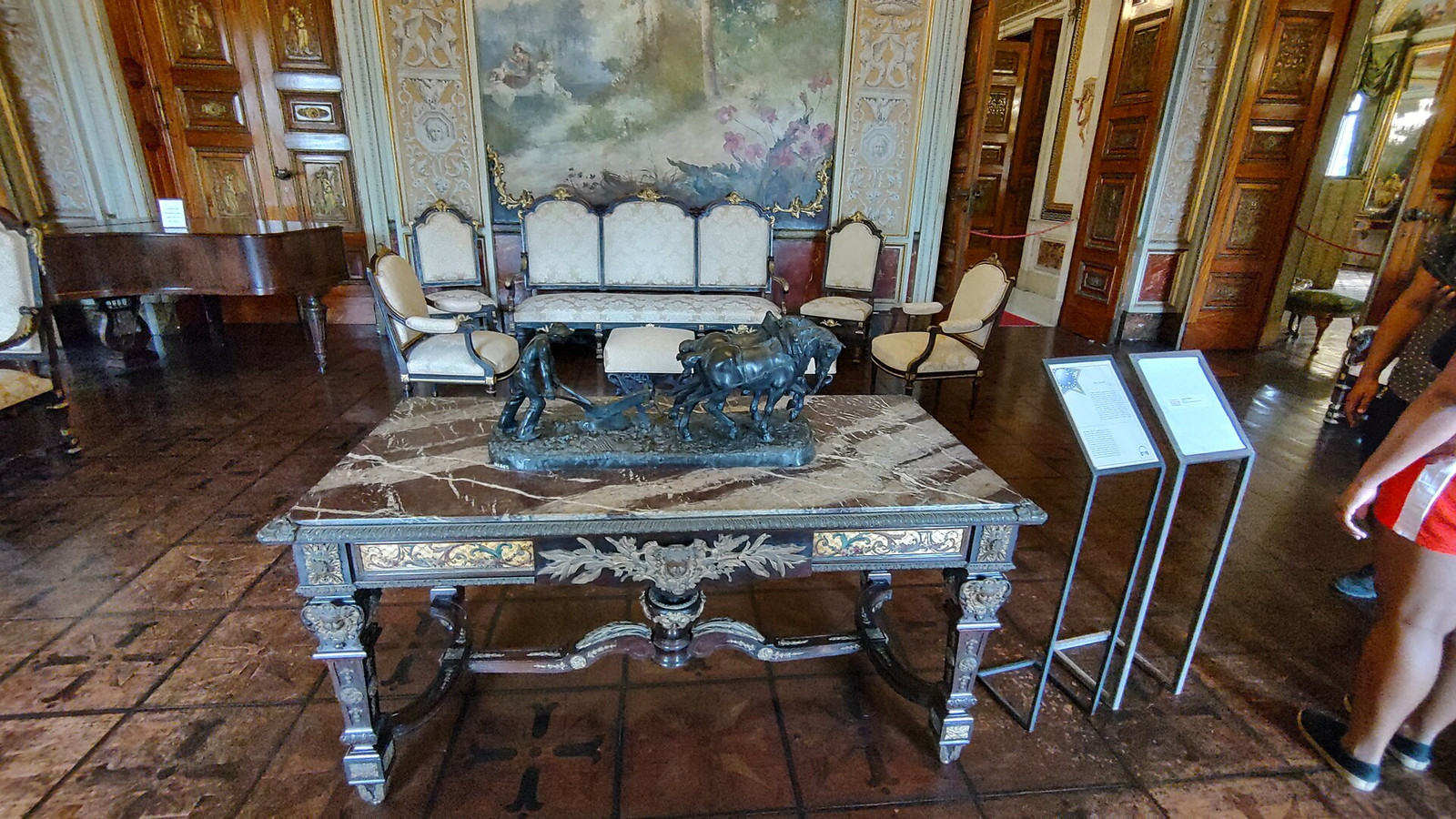
Surviving interiors show administrative functions placed among parquet floors, painted ceilings, carved doors, and residential furniture. The adaptation changed how rooms were used without replacing the full decorative program.
_175.jpg)
Architecture as a record of government
Palácio do Catete remained the presidential seat through major changes in government, including the end of the First Republic in 1930, Getúlio Vargas’s long presence in national politics, and the restoration of elected government after 1945. Furniture, portraits, documents, and altered layouts connected the original decorative shell to its new political role.
_205.jpg)
The presidential bedroom is associated with Getúlio Vargas, who died by suicide in the palace on August 24, 1954. Museu da República preserves the episode through the room, objects, archival records, and exhibitions, while placing it within the broader history of Vargas’s governments and political legacy.[5]
The larger record is architectural. For 63 years, presidents and staff used a nineteenth-century mansion as the working seat of the presidency. The surviving rooms show that administrative use and residential display continued side by side.
_185.jpg)
From executive compound to public museum
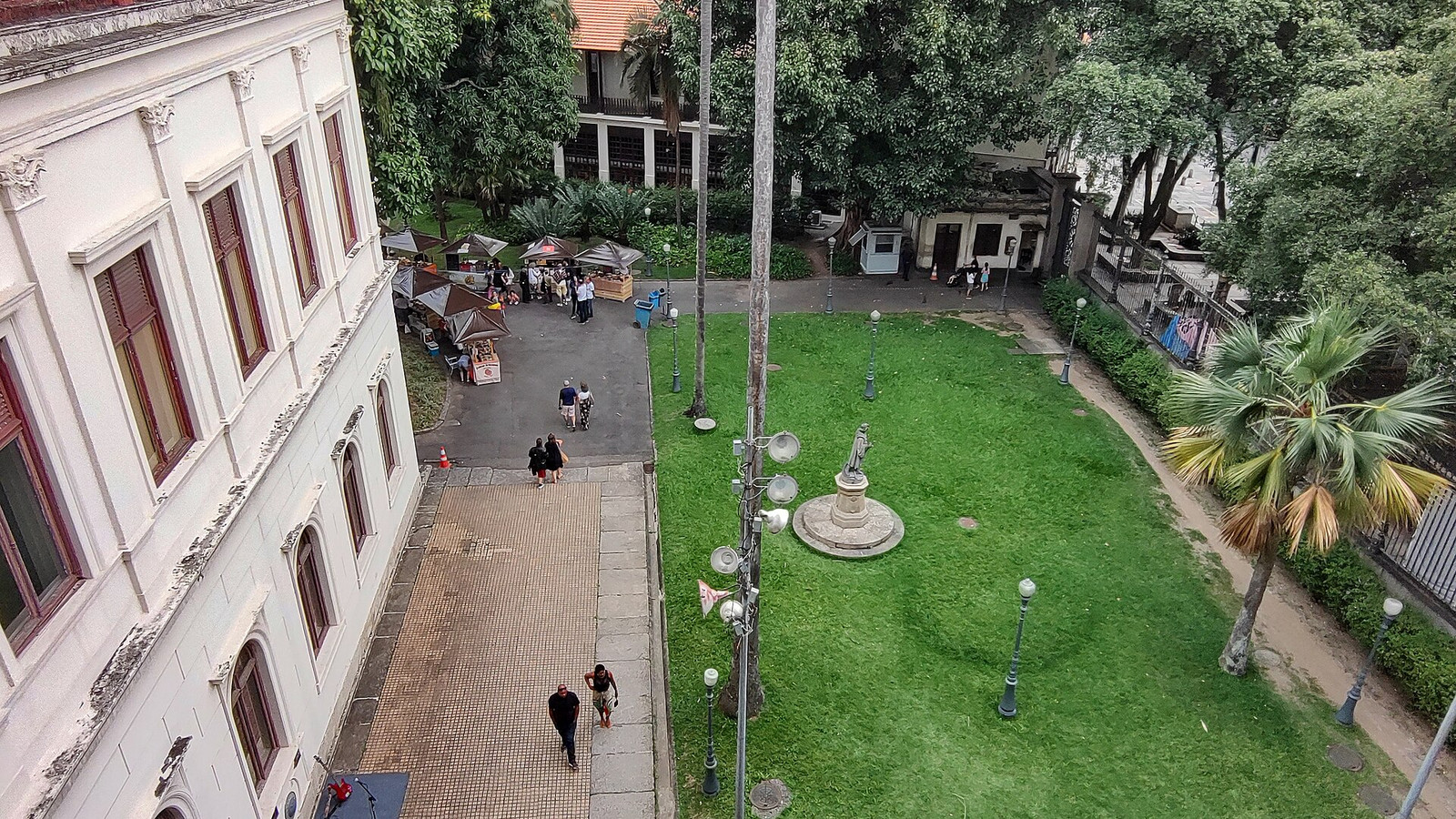
The Museu da República was established for the building by presidential decree on March 8, 1960. After Brasília became the federal capital on April 21, the museum was officially inaugurated at Catete on November 15, preserving the former presidential palace as an institution devoted to Brazil’s republican history.[1][2]
_213.jpg)
The museum now holds architecture, landscape, decorative arts, political collections, and documentary archives within one site. A salon can therefore be read as both evidence of a coffee fortune and a room later absorbed into the daily operation of the presidency.
Today, Catete’s rooms preserve the physical overlap between a nineteenth-century coffee fortune, the Brazilian presidency, and the museum created after the capital moved to Brasília.
Sources and further reading
- Museu da República archive — Palácio do Catete history, construction, acquisition, presidential use, and museum conversion
- Instituto Brasileiro de Museus — architectural and historical study of Museu da República
- Museu da República — institutional and museological plan
- Museu da República archive — palace collection finding aid
- Museu da República — Getúlio Vargas, August 1954, and the presidential bedroom
- Instituto Brasileiro de Museus — Museu da República overview
