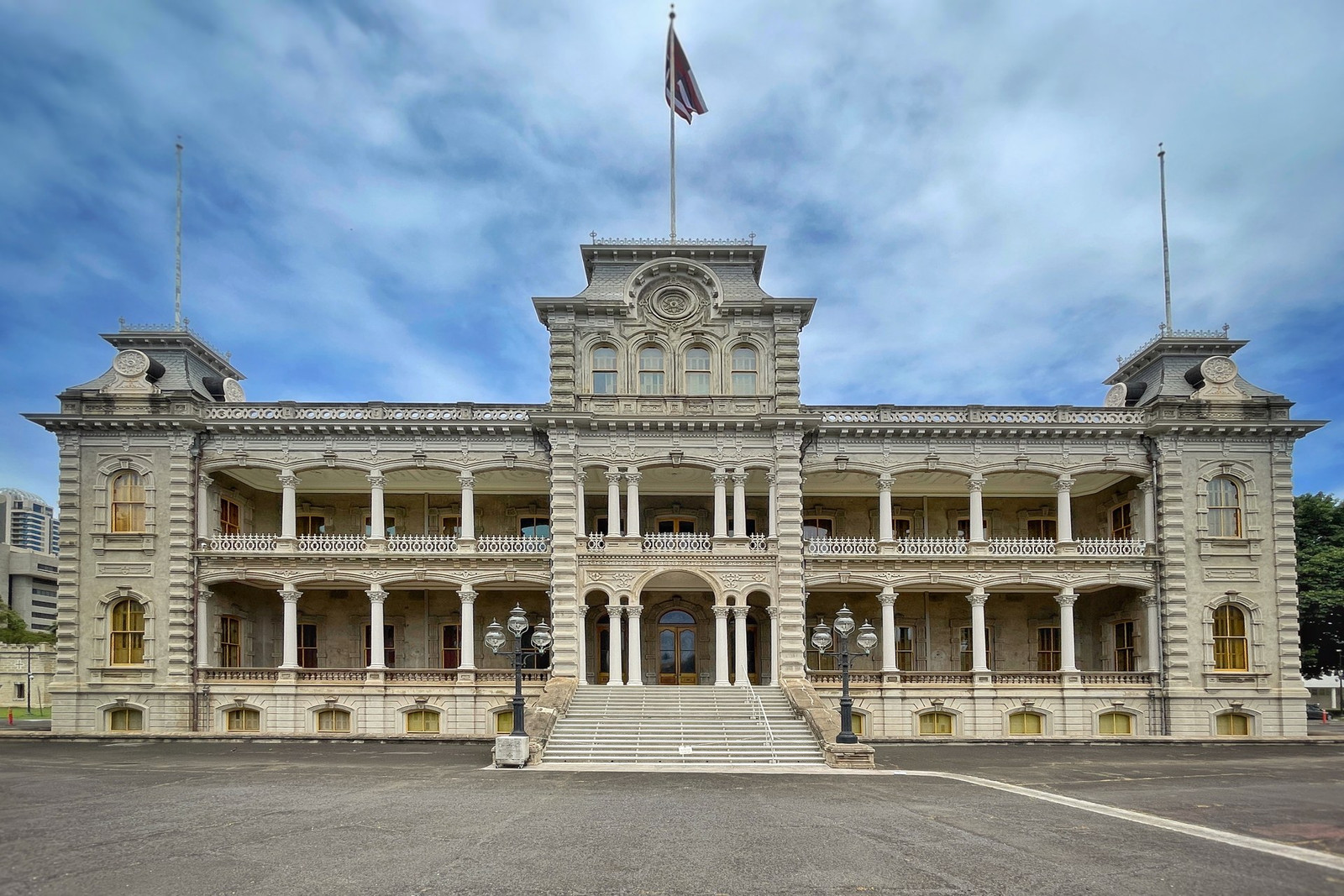
ʻIolani Palace contains two restorations at once. One concerns brick, concrete, timber, lighting, and rooms adapted during decades of government use. The other is slower and less visible: the attempt to identify and recover a royal interior dispersed after the Hawaiian monarchy was overthrown.
The distinction matters. A restored room can look complete while its original contents remain elsewhere. At ʻIolani, the evidence survives in photographs, inventories, auction records, letters, maker’s marks, and objects that have resurfaced in 36 states and four foreign countries.[1][2]
A modern palace for a sovereign kingdom
The cornerstone was laid on December 31, 1879, and construction finished in 1882. King Kalākaua and Queen Kapiʻolani moved into a building intended to serve both as a royal residence and as a setting for the business and ceremony of the Hawaiian Kingdom. The public rooms occupied the first floor; private suites were arranged above.[1][3]
.jpg)
The National Park Service describes the architecture as American Florentine: Italian Renaissance-derived forms combined with Hawaiian elements, including broad double lanais around the first and second floors. Thomas J. Baker, Charles J. Wall, and Isaac Moore worked on the project, with Baker’s design used primarily. Brick walls with concrete facing supported four corner towers and two central towers.[3]
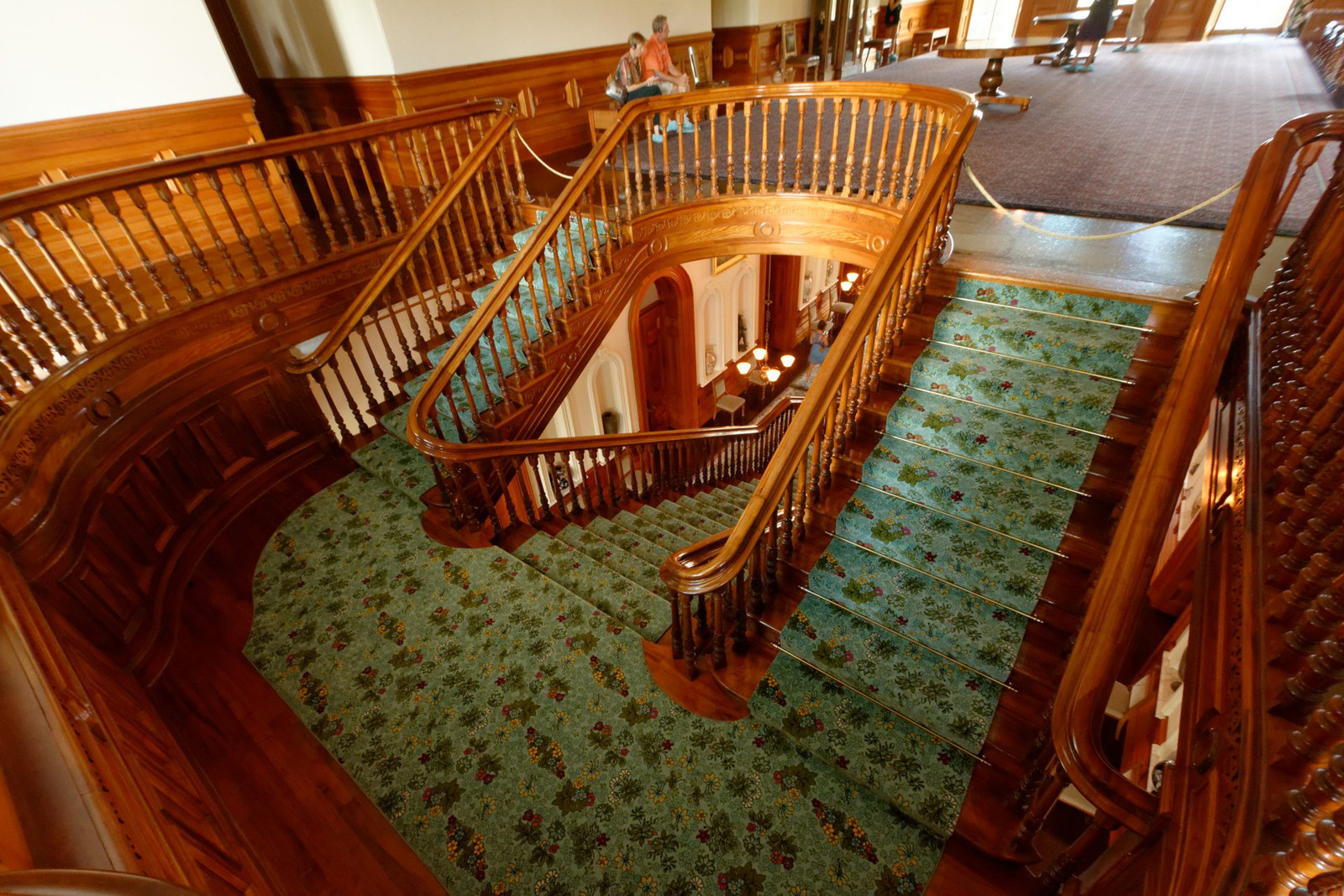
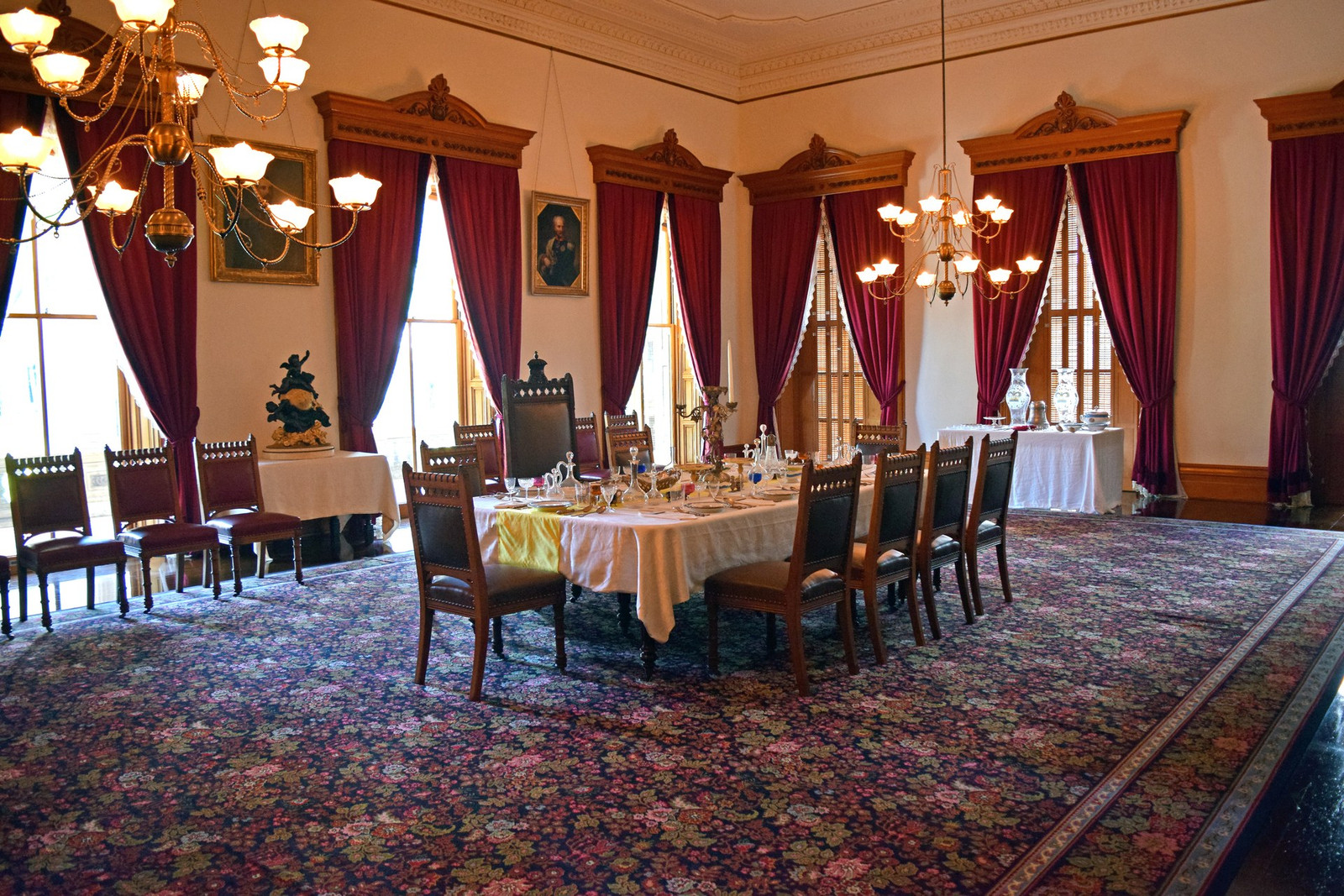
The palace also carried modern systems into its ceremonial program. Indoor plumbing, electric lighting, and an early telephone operated alongside the Throne Room, State Dining Room, Blue Room, and upstairs suites. Technology was not hidden from royal representation; it was part of the institution Kalākaua was building.

The rooms changed meaning after 1893
Kalākaua died in 1891, and his sister Liliʻuokalani became sovereign. In 1893, a group supported by the United States minister and American military forces overthrew the monarchy. The palace became the seat of the Provisional Government and then served the Republic, Territory, and State of Hawaiʻi.[1][3]
.jpg)
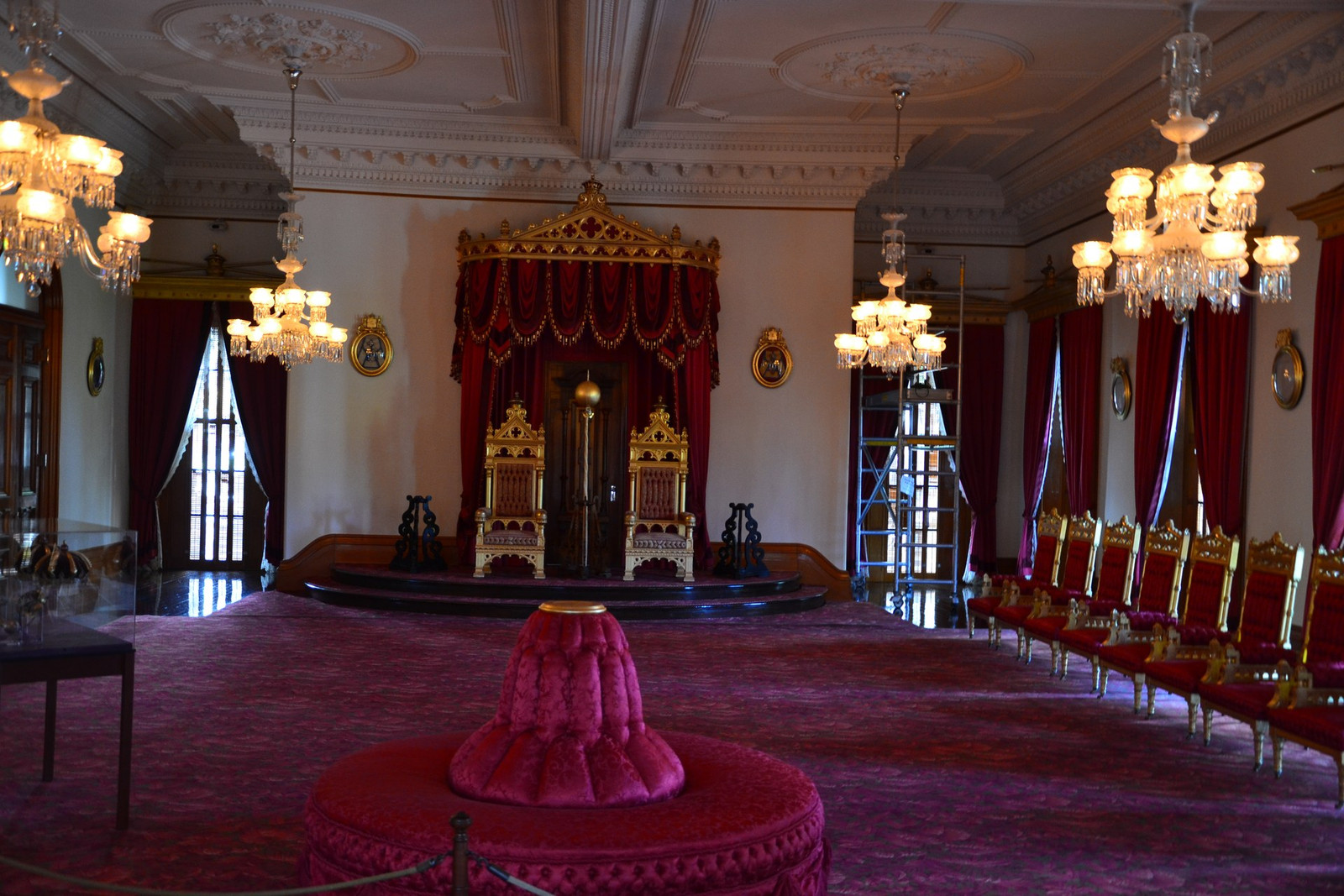
The transfer was physical as well as political. Officials inventoried the palace, returned private belongings to the royal family, retained objects useful to government, and sold other furnishings at public auction. Offices and legislative functions occupied rooms created for a monarchy. The Throne Room, designed for formal events and diplomatic receptions, was used for Liliʻuokalani’s 1895 trial.[1][3]
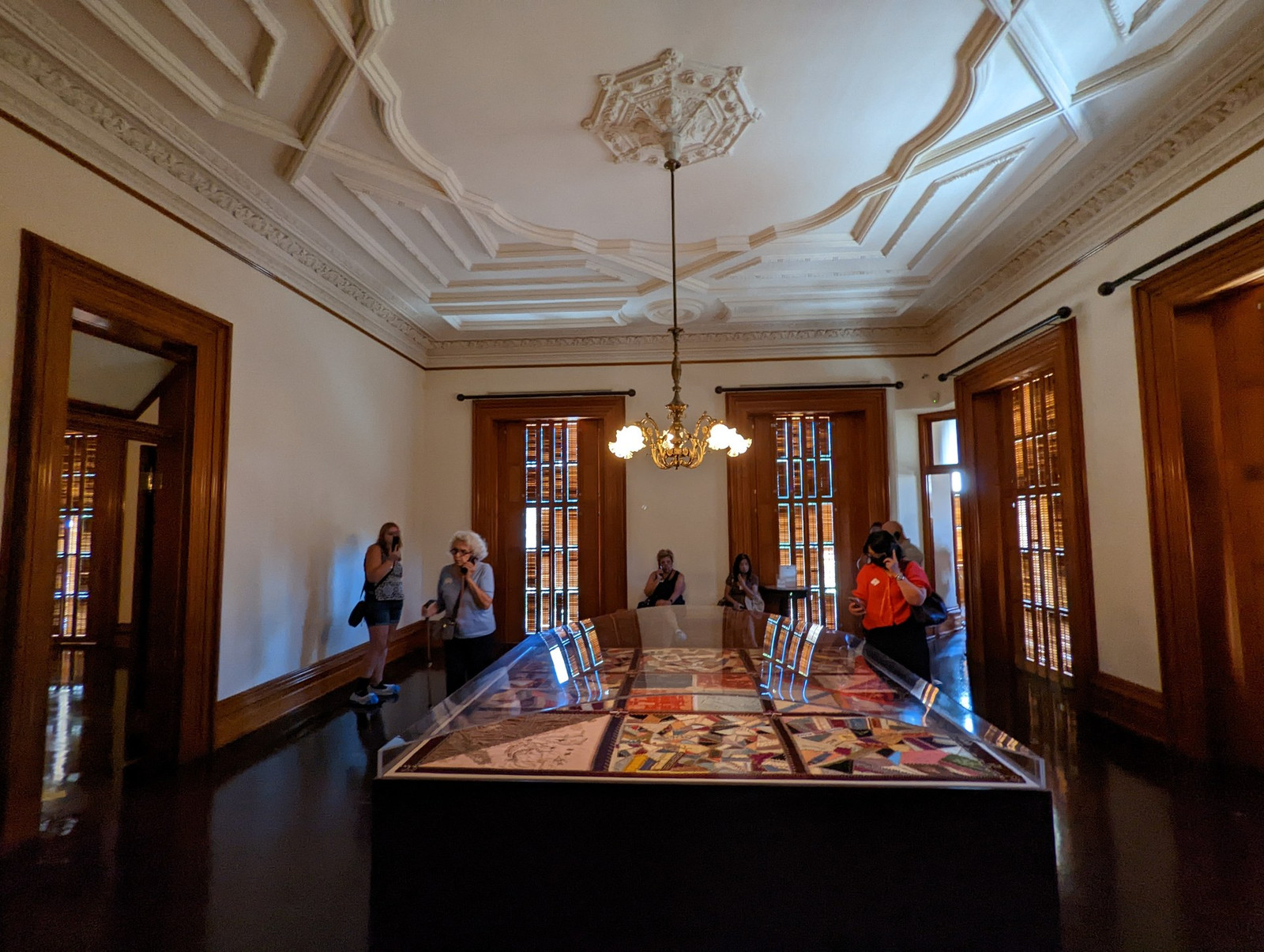

After being convicted in connection with an attempt to restore the monarchy, Liliʻuokalani was confined upstairs with one attendant permitted during the day. The sparse room resists the visual language of the ceremonial interiors below. It records the moment the palace ceased to protect the sovereign it had been built to serve.
Restoring architecture was only the beginning
By the 1960s, after decades of government use, the palace required major work. State offices moved to the new capitol in 1969. The Friends of ʻIolani Palace then oversaw an extensive restoration informed by research funded and conducted by the Junior League of Honolulu. The museum opened to the public in 1978.[3]
.jpg)
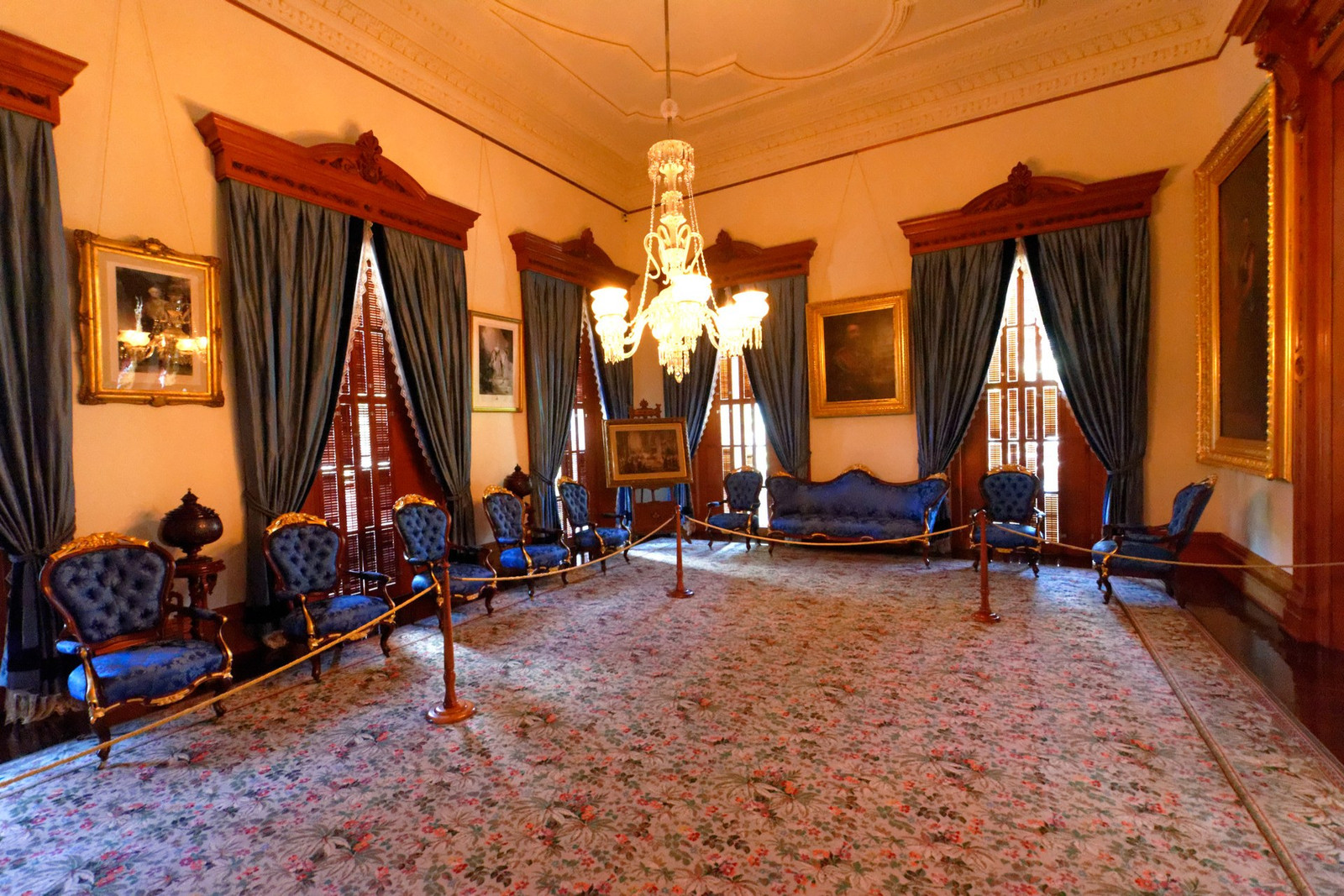
Architectural work could recover dimensions, finishes, circulation, and surviving fabric. Furnishing the rooms required a different method. The curatorial office compares monarchy-era photographs with inventory lists, newspaper accounts, auction documents, bills of sale, correspondence, insignia, and chains of ownership. A family story may begin an inquiry, but documentation determines whether an object can be connected to the palace or royal family.[2]
.jpg)
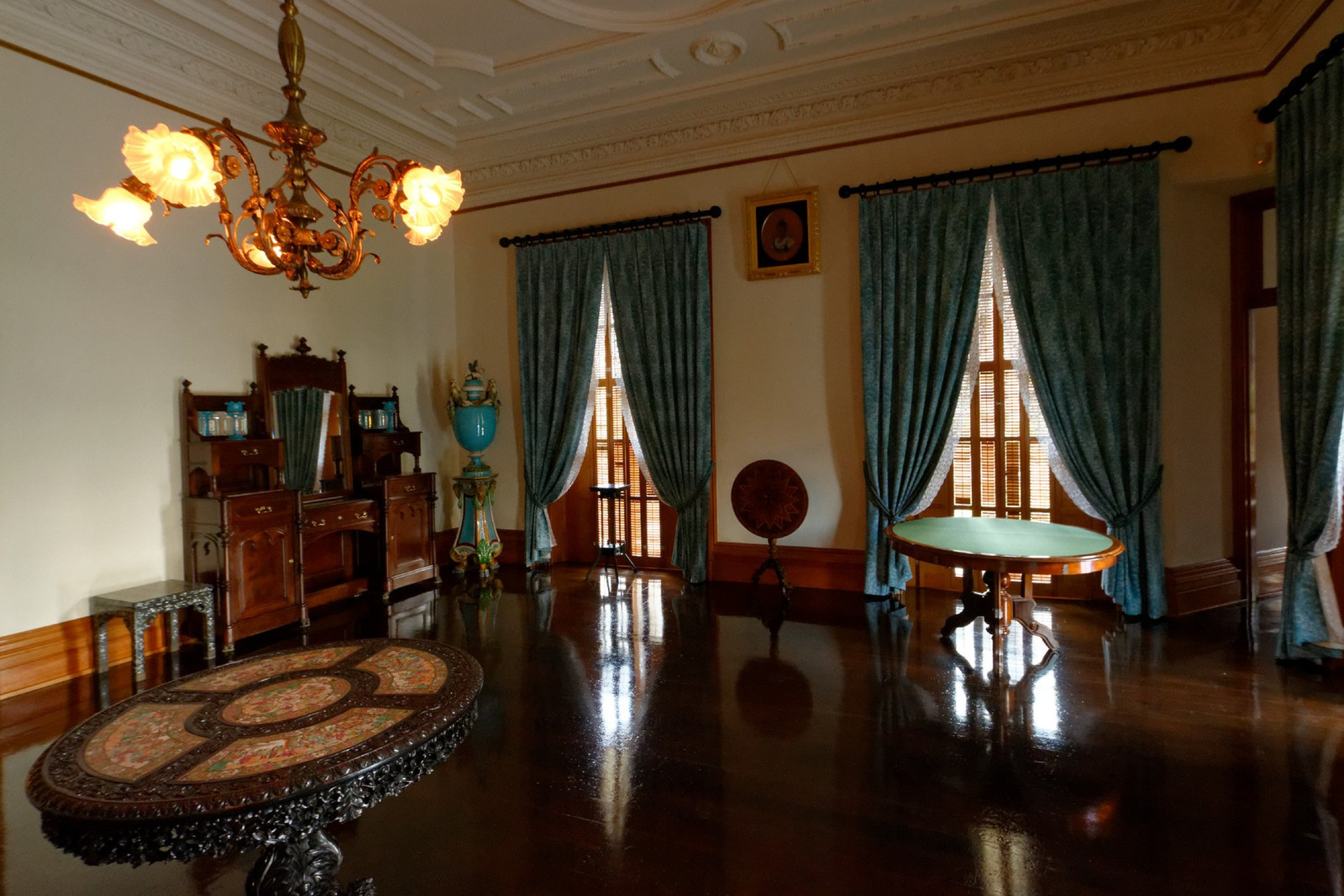
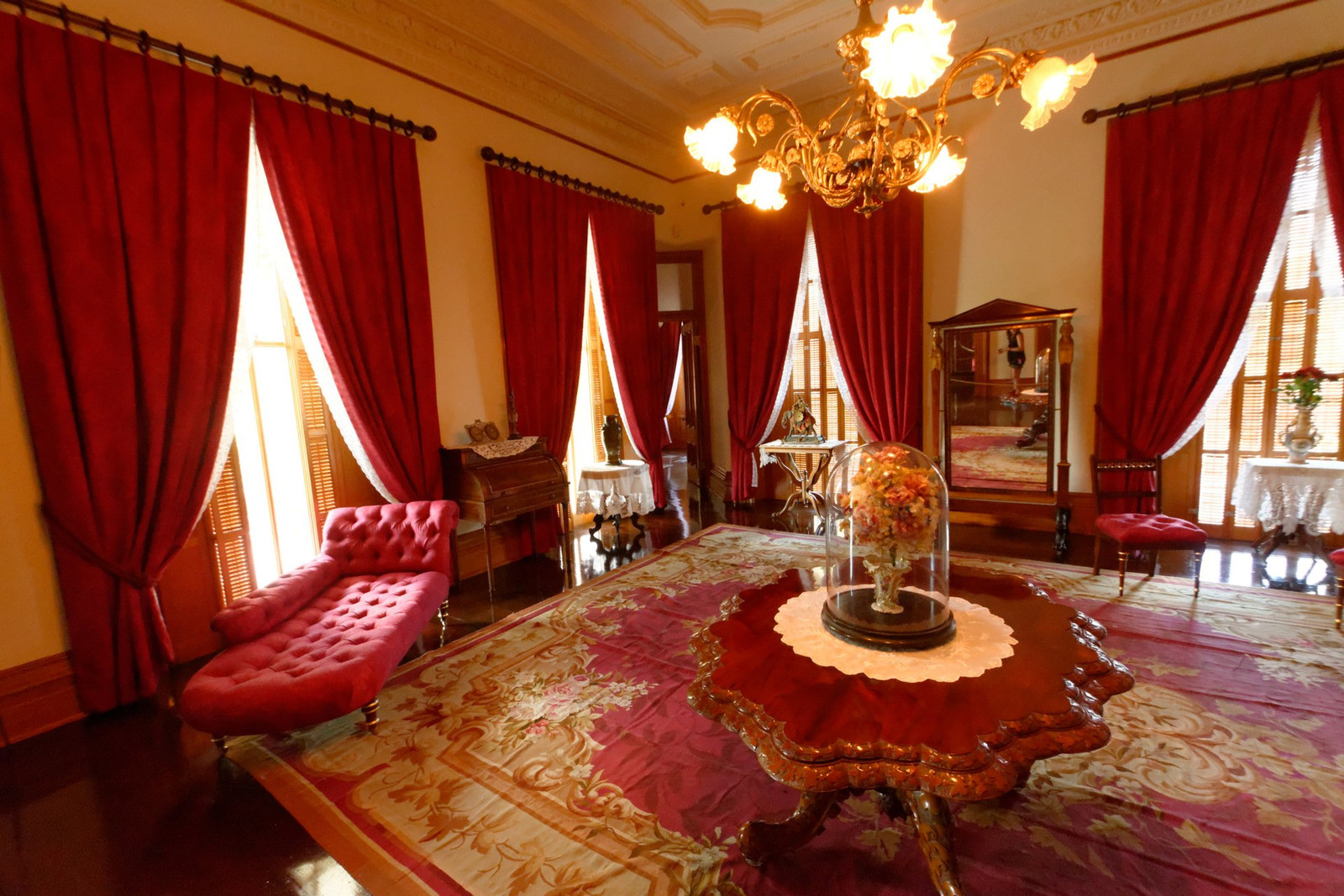
The search has produced unlikely routes home. The palace cites porcelain returned from Australia, a table located in the Iowa governor’s mansion, and a chair recognized in a local thrift store. Objects have returned from 36 states and four foreign countries, yet substantial pieces remain missing. The King’s Bedroom, Queen’s Bedroom, and Music Room are continuing research projects rather than closed installations.[2]
.jpg)
A museum that admits what is missing
Many restored estates present completion as the goal. ʻIolani Palace presents a more rigorous condition: some rooms can be architecturally restored and publicly legible while the original object record remains incomplete. That gap is not a failure of interpretation. It is part of the history.
The palace’s collections program makes provenance visible as a form of repair. A recovered chair or service plate does more than fill space. It reconnects an object to the royal institution for which it was selected, and it clarifies the political process that separated the interior from its contents.
ʻIolani Palace is therefore not frozen at 1882. Its rooms hold the monarchy, the overthrow, nearly eight decades of government occupation, the restoration campaign, and a search still moving through archives and private collections. The building survives as a monument. The interior is being recovered as evidence.
Sources and further reading
- ʻIolani Palace — construction, royal use, overthrow, government occupation, and restoration chronology
- ʻIolani Palace collections — auctions, worldwide object recovery, provenance methods, inventories, and continuing searches
- National Park Service — architecture, technology, political history, room uses, restoration, and landmark record
- Library of Congress — Historic American Buildings Survey documentation for ʻIolani Palace