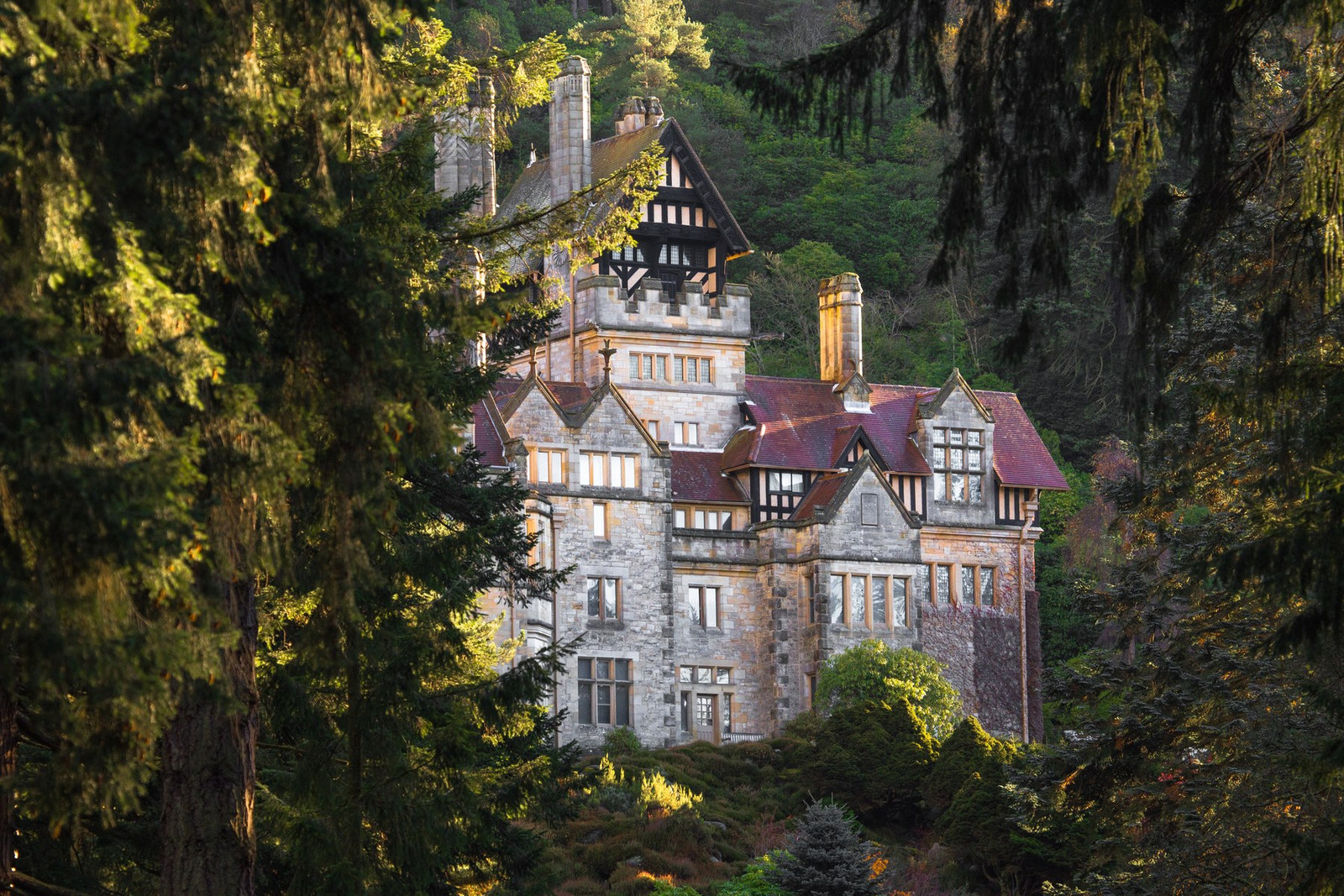
Cragside's early electric light belonged to a larger estate water system. William and Margaret Armstrong oversaw the creation of five lakes, waterfalls, reservoirs, and extensive planting. Water supplied plumbing and a hydraulic lift, powered machinery, and drove dynamos for electric lighting.
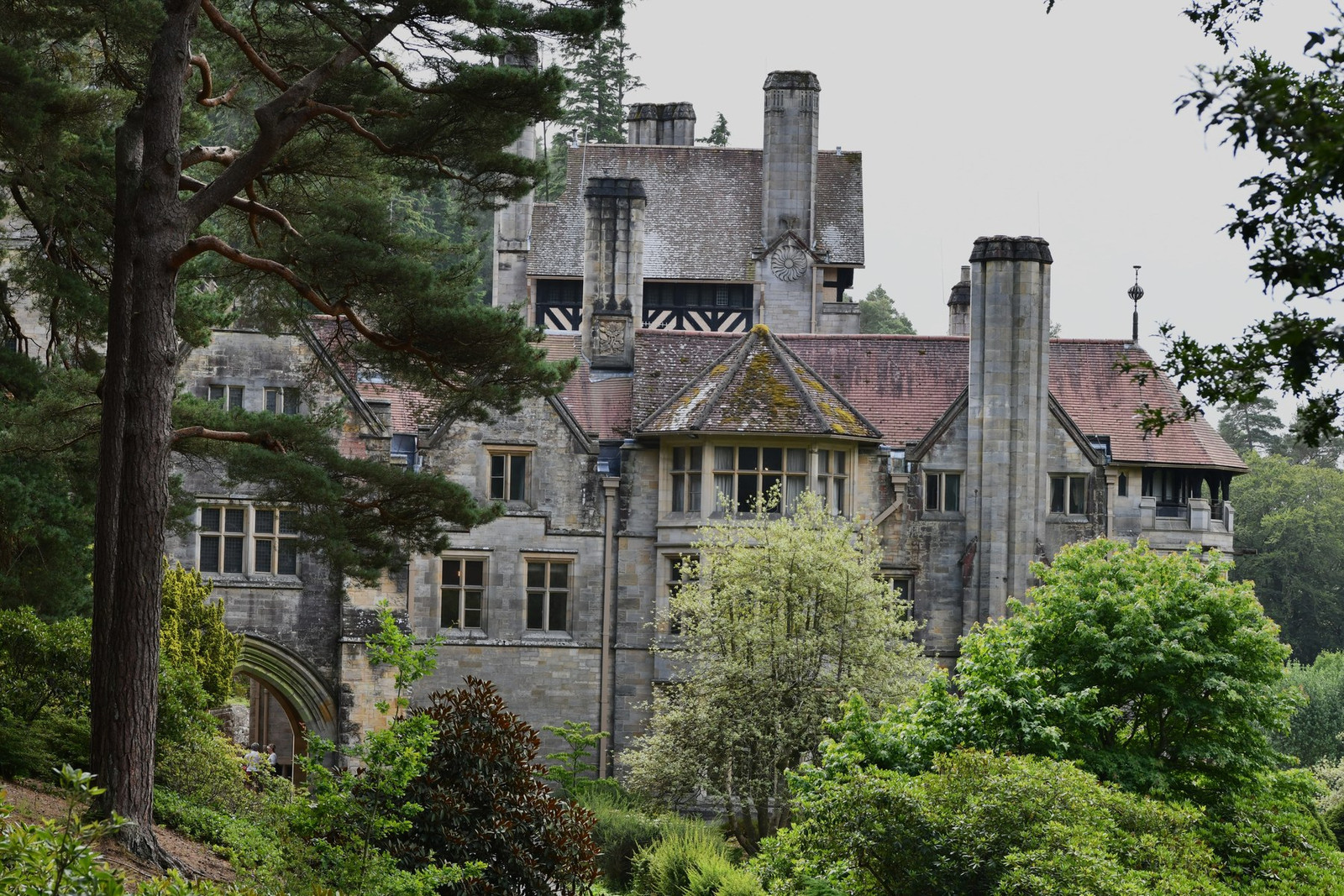

The landscape functioned as infrastructure
The Armstrongs did not inherit a ready-made power network. They directed the planting of millions of trees and shrubs, formed an extensive rock garden, engineered waterfalls, and created five lakes. The engineered landscape also performed mechanical work.[1]
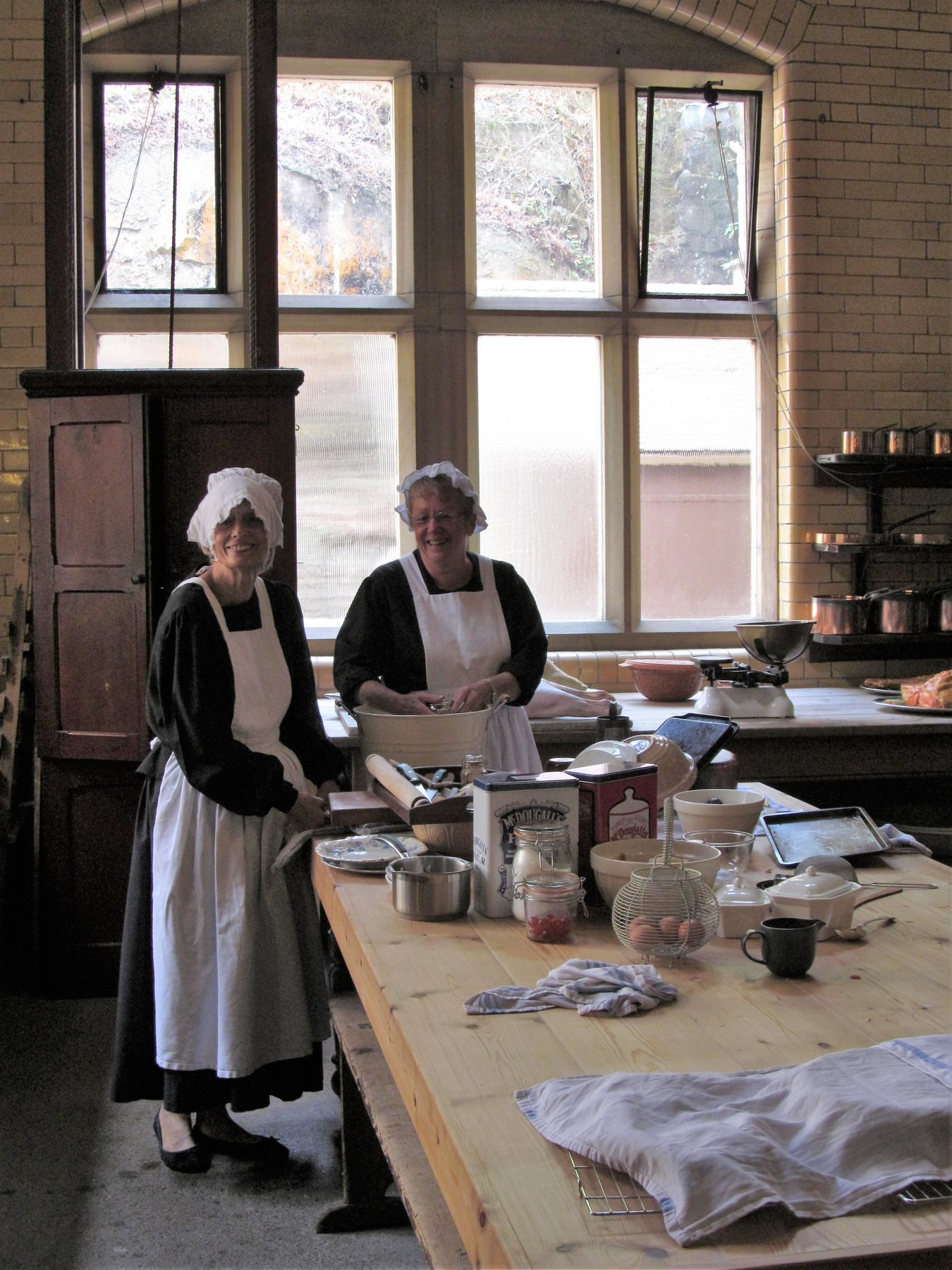
Tumbleton Lake powered machinery that pumped spring water uphill to another reservoir. Gravity then carried water to the mansion for plumbing and the hydraulic lift. In the kitchen, a miniature water mill turned the roasting spit. Later, additional lakes at Nelly's Moss fed turbine-driven dynamos at Burnfoot Power Station.[1]


Electric light arrived in two distinct stages
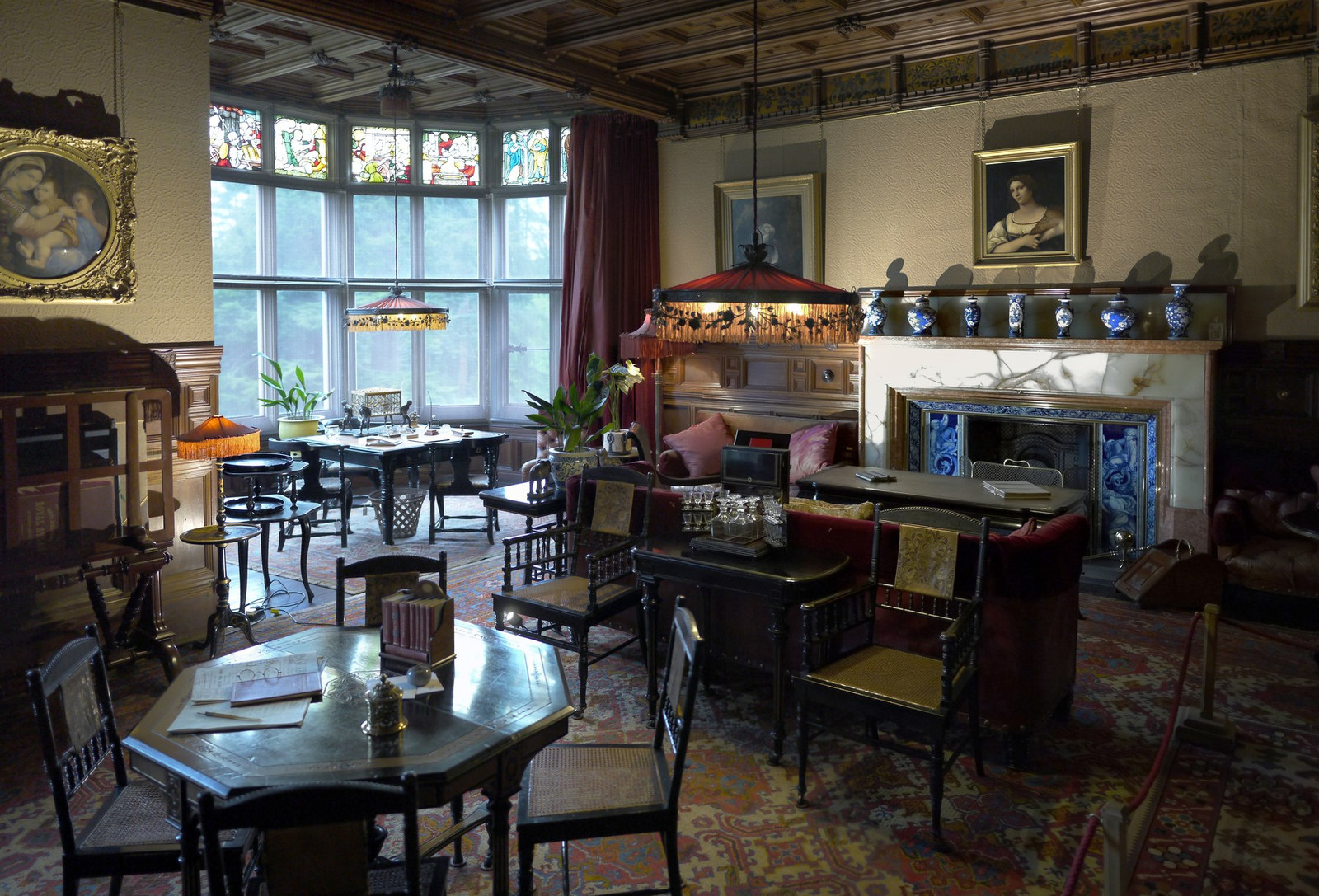
In 1878, carbon-arc lamps illuminated the Gallery. Two years later, after Armstrong collaborated with chemist and inventor Joseph Swan, Swan incandescent lamps were installed in the Library. Cloisonné vases adapted as lamps remain on the bookcases.[1]



Comfort depended on a complete system
Electricity attracts the headline, but Cragside's technological ambition was broader. The mansion combined central heating, gravity-fed plumbing, a hydraulic lift, and water-powered machinery. The 1870 phase included a plunge bath and central heating.[1]



Shaw expanded the mansion in three phases
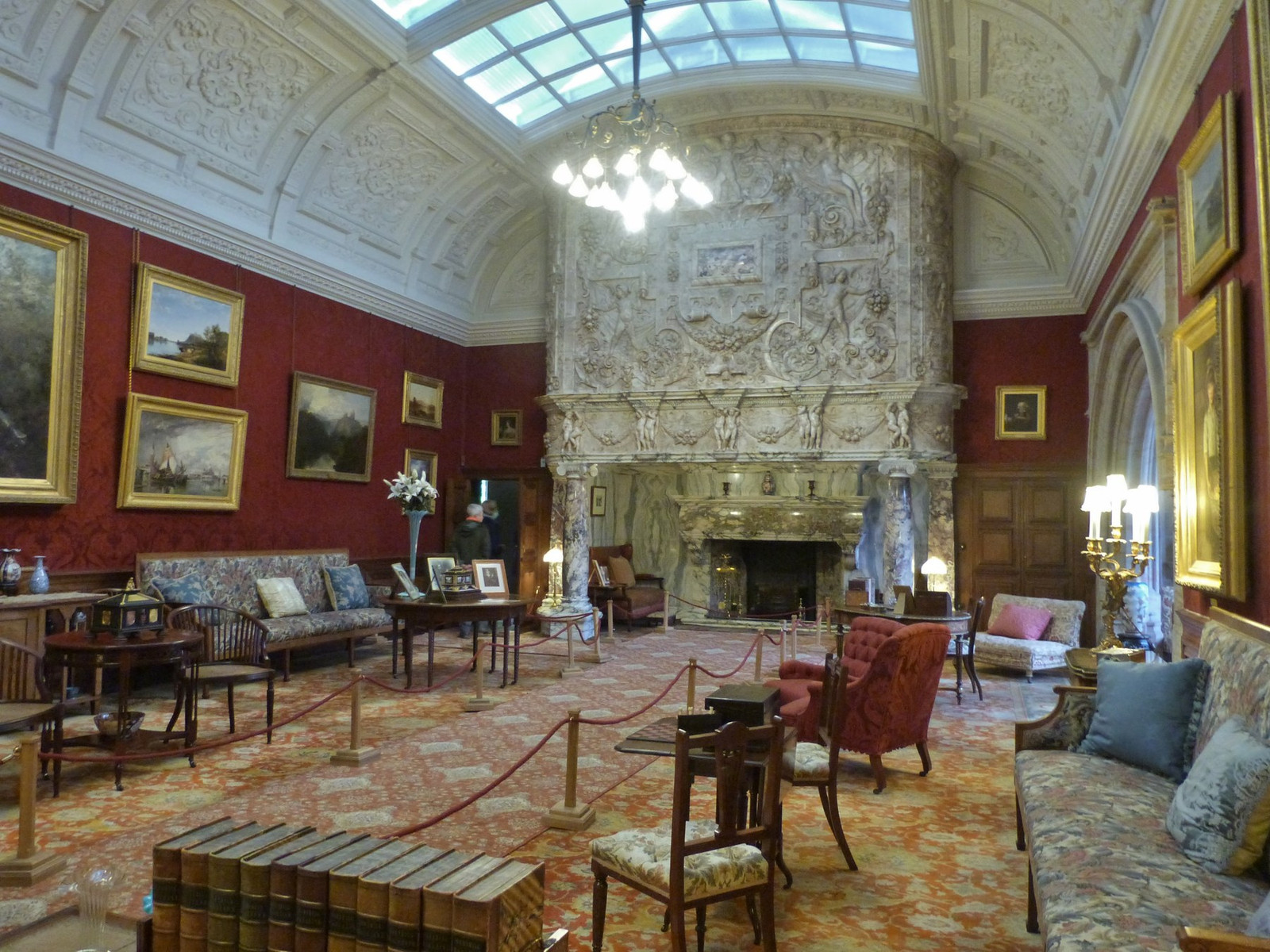
The original 1863 residence expanded in three principal phases under Richard Norman Shaw from 1870 to 1884. Shaw's 1872 expansion added a new entrance hall, staircase, Gallery, and Gilnockie Tower.[1]

Industrial wealth funded the estate
Hydroelectricity supplied Cragside, but Armstrong's industrial wealth funded the estate. His works manufactured hydraulic machinery, armaments, and ships for an international market. The National Trust says this trade funded the estate and notes that Armstrong's private experiments depended on other inventors and an army of estate workers.[1]
Cragside joined hydroelectric lighting and domestic services to wealth generated by hydraulic machinery, shipbuilding, and armaments. Armstrong did not create the system alone: collaborators, other inventors, and estate workers contributed to it.
Cragside transferred to the National Trust in 1977 and opened to the public in 1979. The mansion's surviving rooms, landscape, and machinery preserve evidence of the estate's interconnected water and electrical systems.[1]
Sources and further reading
- National Trust — official history of Cragside, its technology, architecture, landscape, collections, and industrial context
- Historic England — Cragside listing entry 1042076
- Historic England — Burnfoot Power Station listing entry 1042071
- Historic England — Cragside registered landscape entry 1001046
Published photographs are individually credited Creative Commons works. The social preview derives from Piotr.Wassermann's CC BY-SA 4.0 exterior. See each linked source page for complete attribution and license terms.