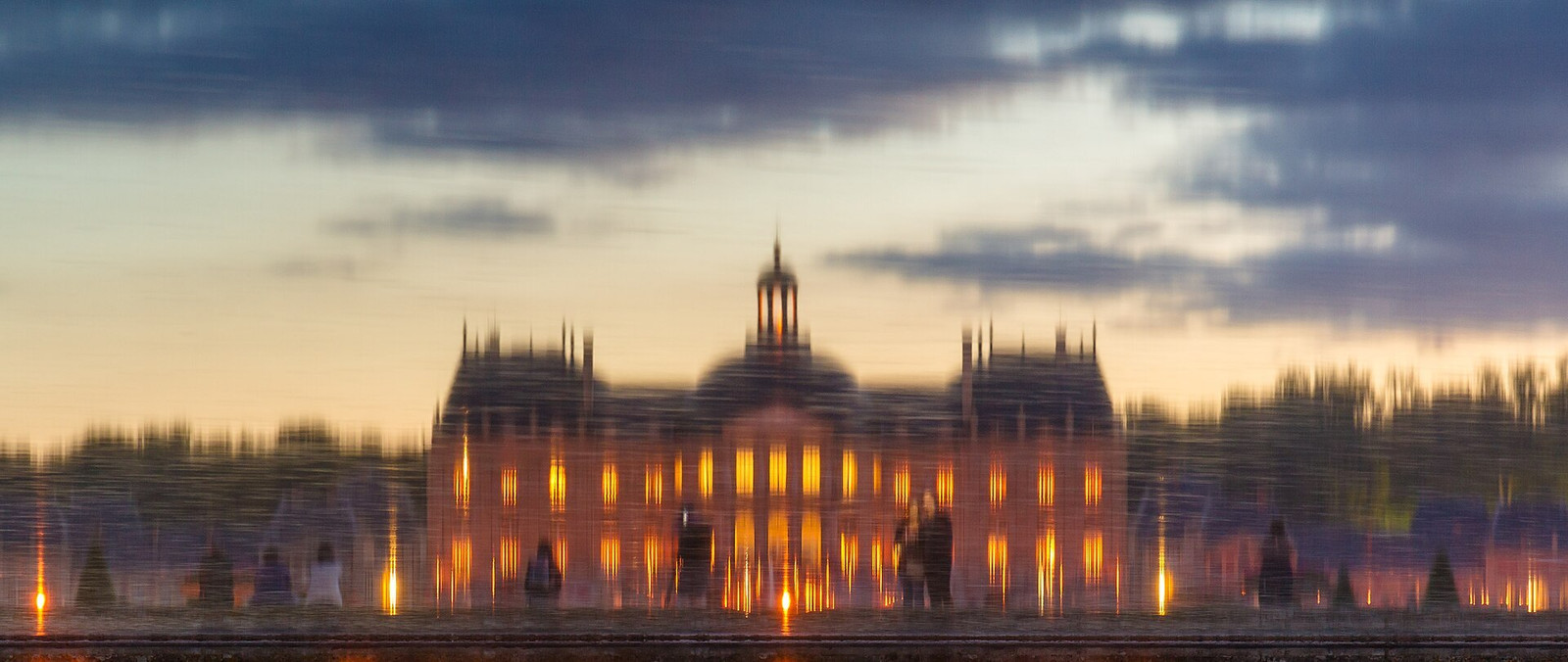
On August 17, 1661, Nicolas Fouquet received Louis XIV at Vaux-le-Vicomte with formal gardens, dining, theatre, and fireworks. Nineteen days later, d’Artagnan arrested him at Nantes. The sequence is irresistible. It is also misleading.
Planning for Fouquet’s arrest was already underway before the fête. Nantes Métropole’s Patrimonia records that the broad plan existed by June and was finalized on September 1. The evening at Vaux may have sharpened the king’s hostility, but it did not create the case against his superintendent of finances.[1][2]
A complete composition
Vaux-le-Vicomte was built through overlapping phases rather than one clean starting date. The estate traces André Le Nôtre’s work on the domain to 1641 and Louis Le Vau’s engagement to 1653; the Palace of Versailles and reference histories place the principal campaign between 1656 and 1661.[3][4]
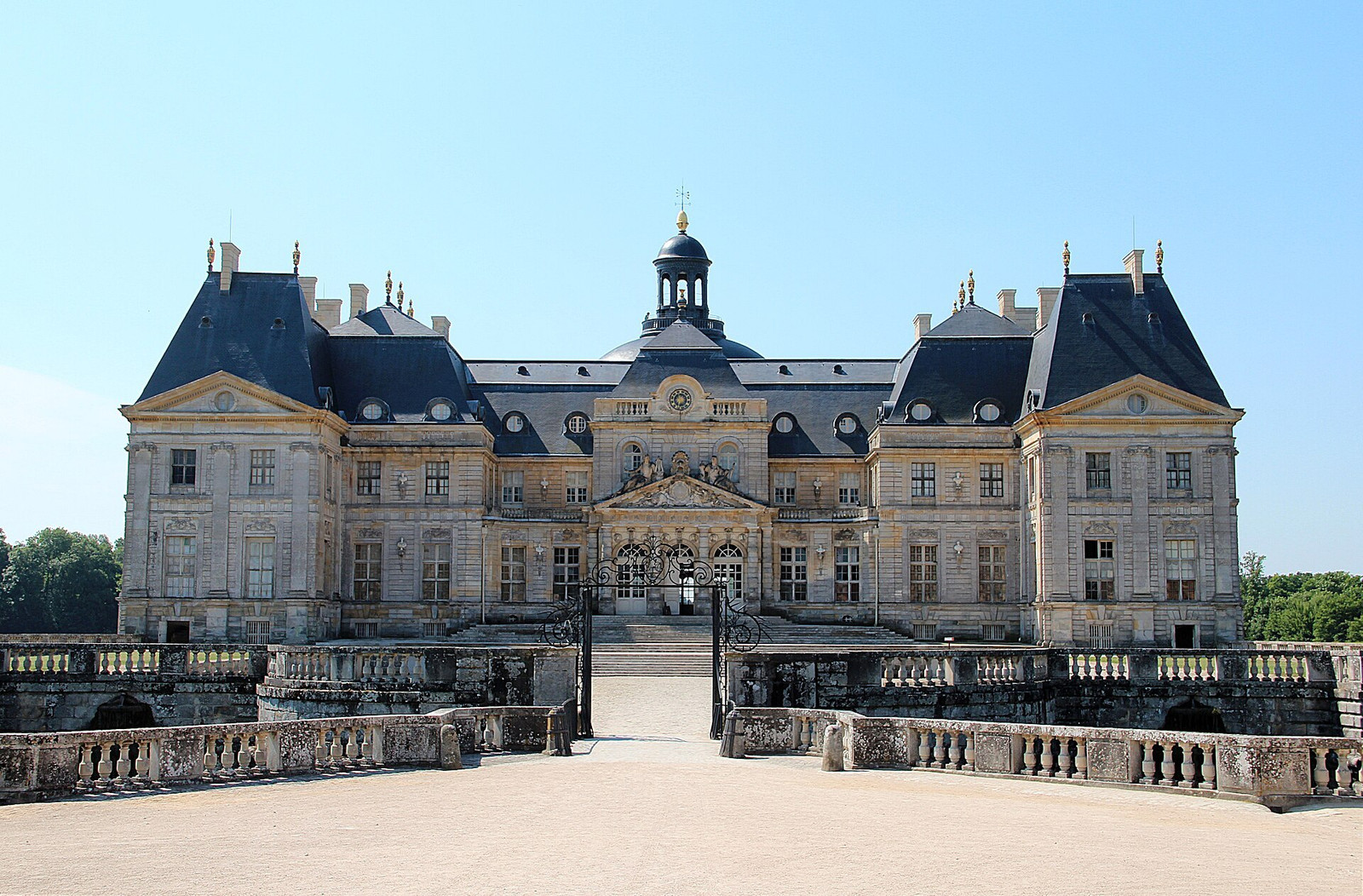

Le Vau directed the architecture. Charles Le Brun organized the painted and decorative program. Le Nôtre treated the grounds as a sequence of terraces, basins, clipped forms, concealed changes of level, and controlled views. Their work did not merely place a residence beside a garden. Rooms, façades, ornament, water, and distance reinforced one another.[3][5]
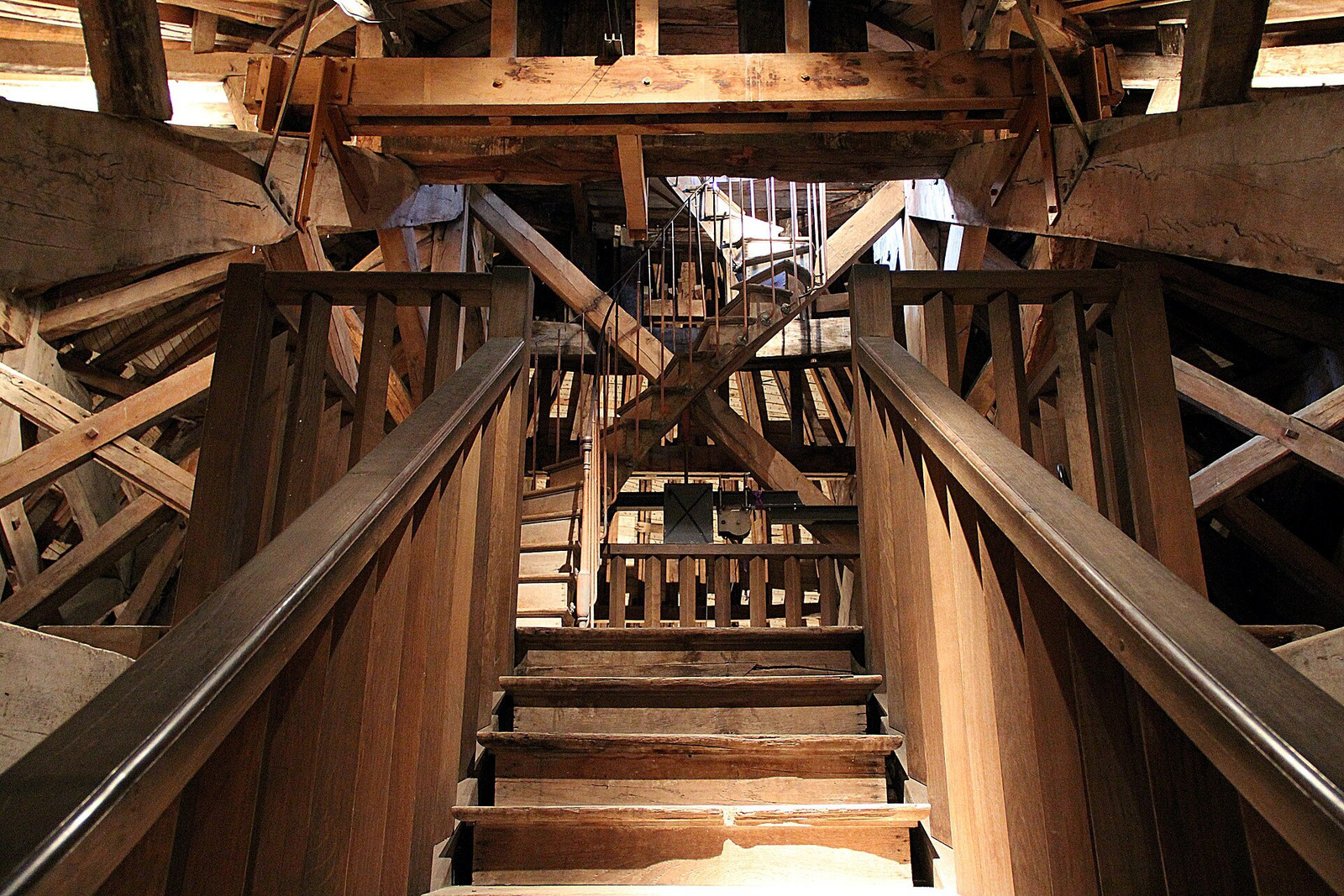
The central oval salon made that coordination legible. It projected toward the garden beneath a dome, linking the ceremonial interior to the main landscape axis. Above the salon, timber framing and stairways support the dome and provide access through the roof structure.

The patron became the subject
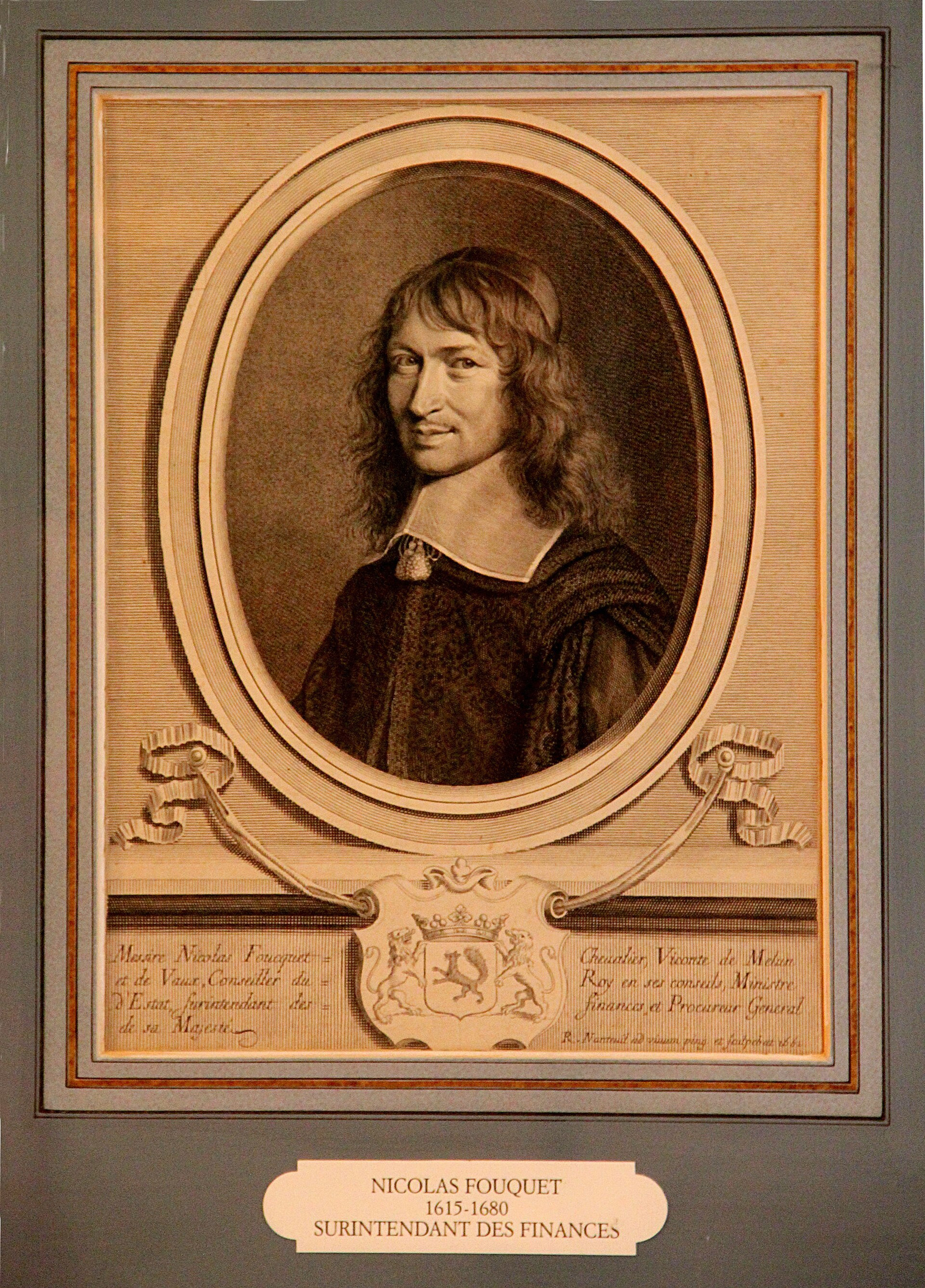
Fouquet was superintendent of finances, a collector, and a patron with a wide cultural network. Vaux concentrated those roles in an estate designed to receive powerful guests and display the reach of Fouquet’s patronage. The August fête included a new comedy by Molière, Les Fâcheux, as well as dining, garden promenades, and fireworks.[1][6]
.JPG)
Later retellings often compress the story into one jealous glance: the king saw a minister living too magnificently and ordered his ruin. Fouquet’s display mattered, but his position was already unstable. Jean-Baptiste Colbert had worked against him; Fouquet’s financial practices and political network were under scrutiny; and Louis XIV was tightening personal control after Cardinal Mazarin’s death.[2][7]
Fouquet was tried over more than three years. On December 20, 1664, the court sentenced him to banishment. Louis XIV increased the penalty to imprisonment for life. Fouquet died at Pignerol in 1680.[2][7]
Interiors built for political theatre
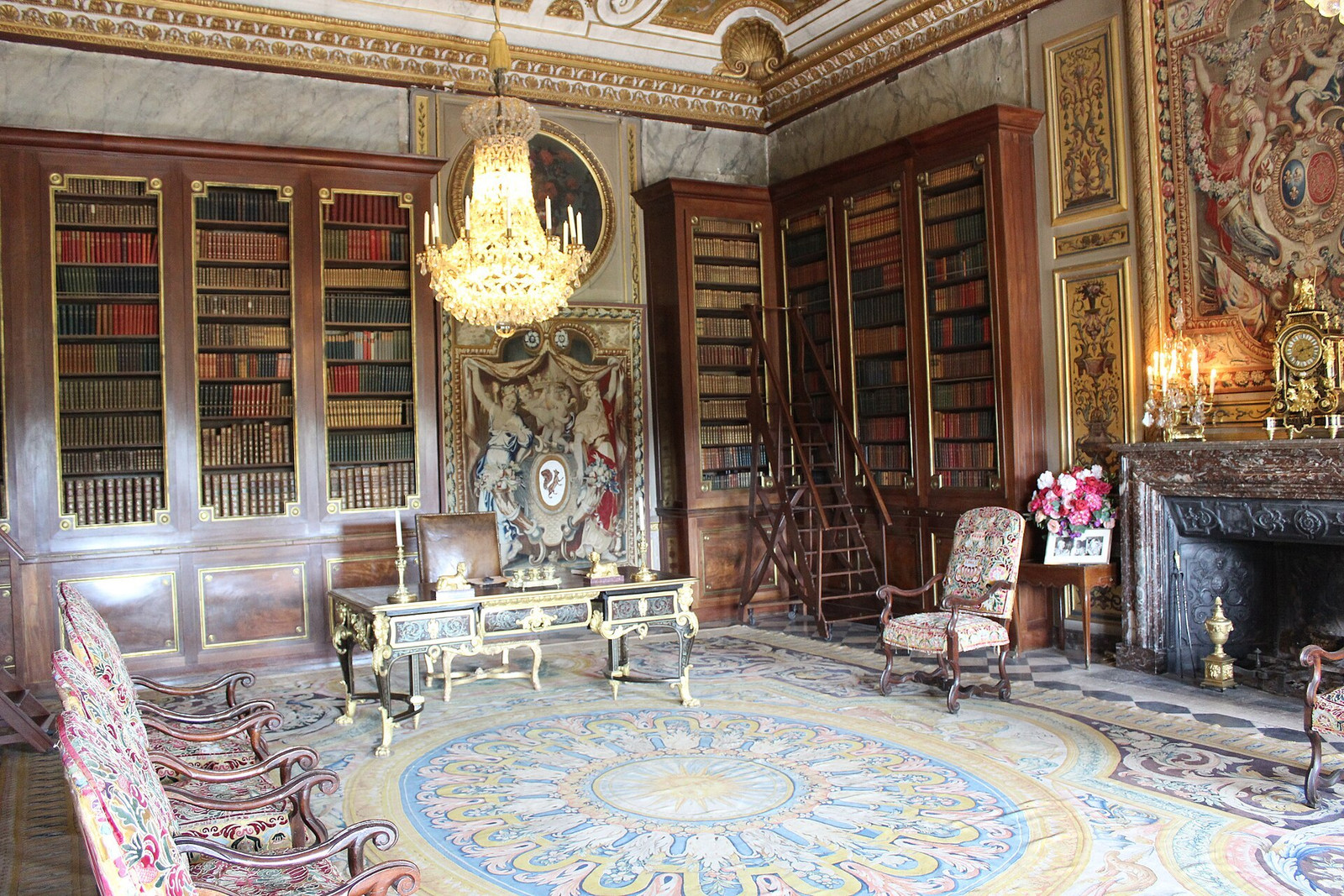
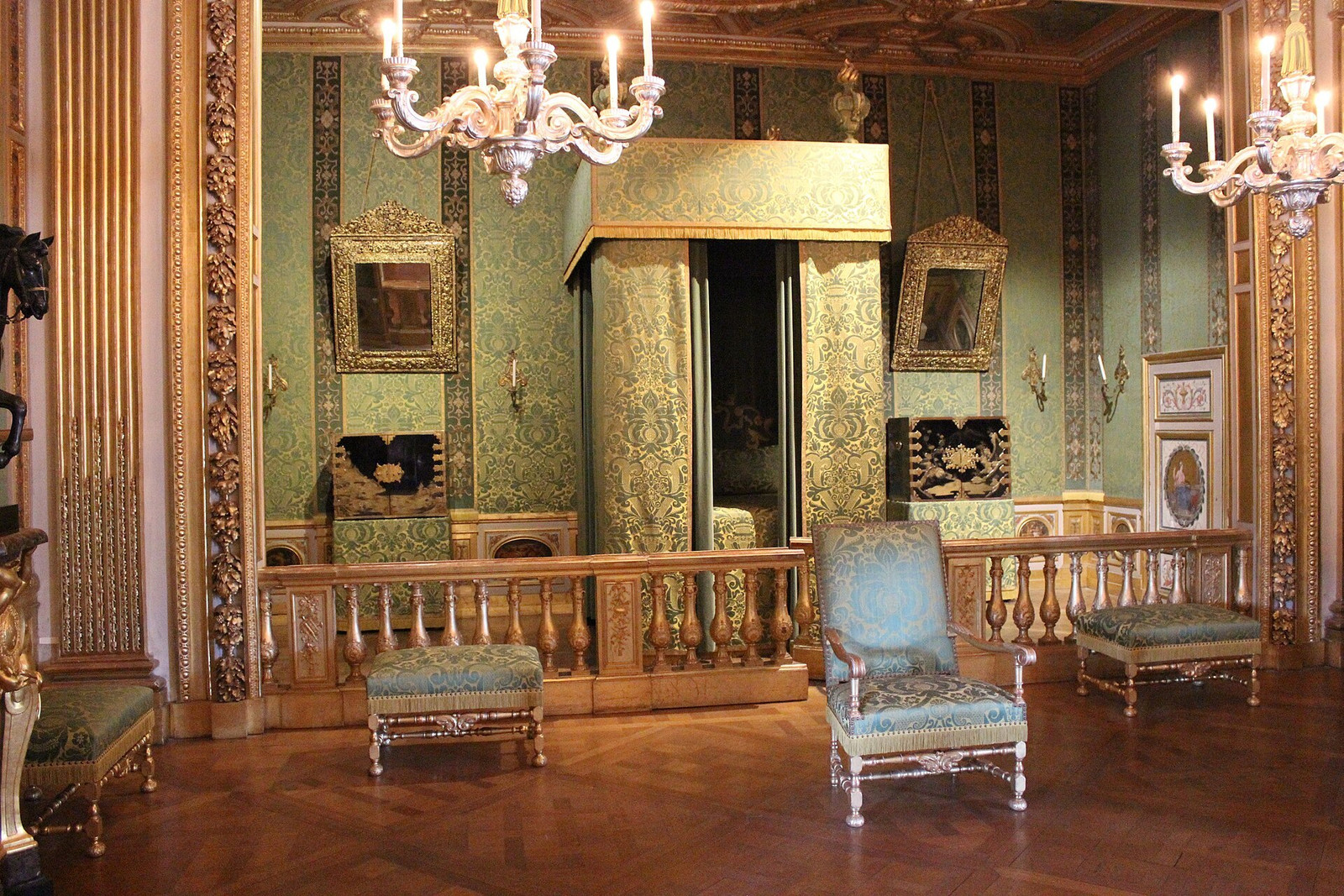
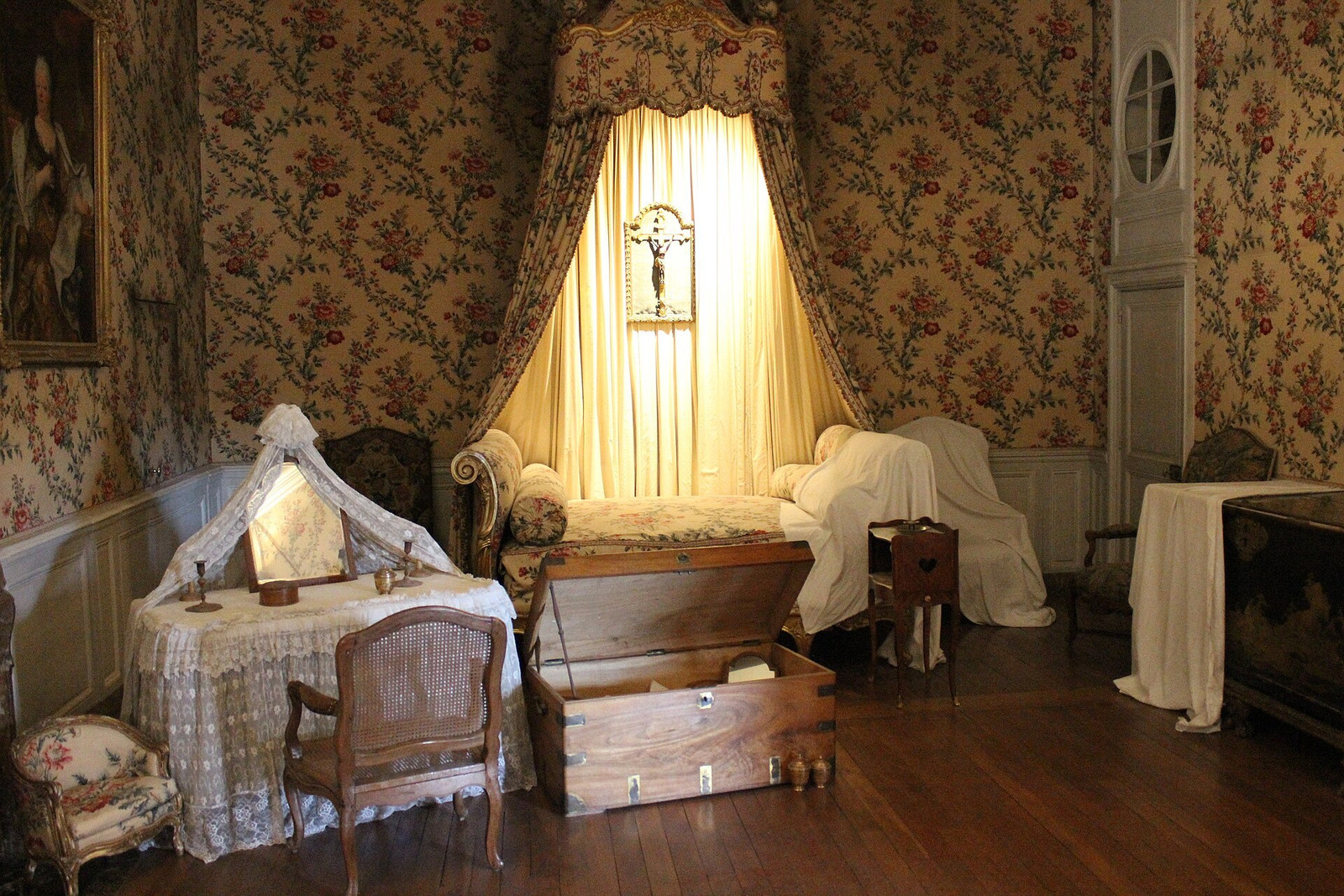
Vaux’s interiors were not a neutral container for paintings and furniture. Le Brun used ceilings, allegory, color, and ornament to extend Fouquet’s identity through the rooms. Later owners altered and refurnished the interiors, but Le Brun’s decorative program remains central to their ceremonial character.[3][6]



What Versailles took from Vaux
Vaux is routinely described as the model for Versailles. The connection is real, but direct copying is too simple. Louis XIV employed the same central talents: Le Vau, Le Brun, and Le Nôtre. Their work at Vaux established methods and reputations that the royal project expanded across a larger site, a longer construction history, and a far broader political program.[4][8]
The important transfer was not one façade or room. It was the capacity to coordinate disciplines at scale. Architecture established the ceremonial order; decoration supplied the ruler’s imagery; landscape controlled movement and perspective. Versailles developed that operating model into a royal complex.
Rescue after abandonment
Fouquet’s wife, Marie-Madeleine de Castille, recovered Vaux in 1673. Marshal de Villars bought it in 1705, and the Praslin family acquired it in 1764. By the nineteenth century, parts of the estate had endured a long period of neglect. Alfred Sommier purchased the empty property at auction in July 1875 and began a major restoration.[1]
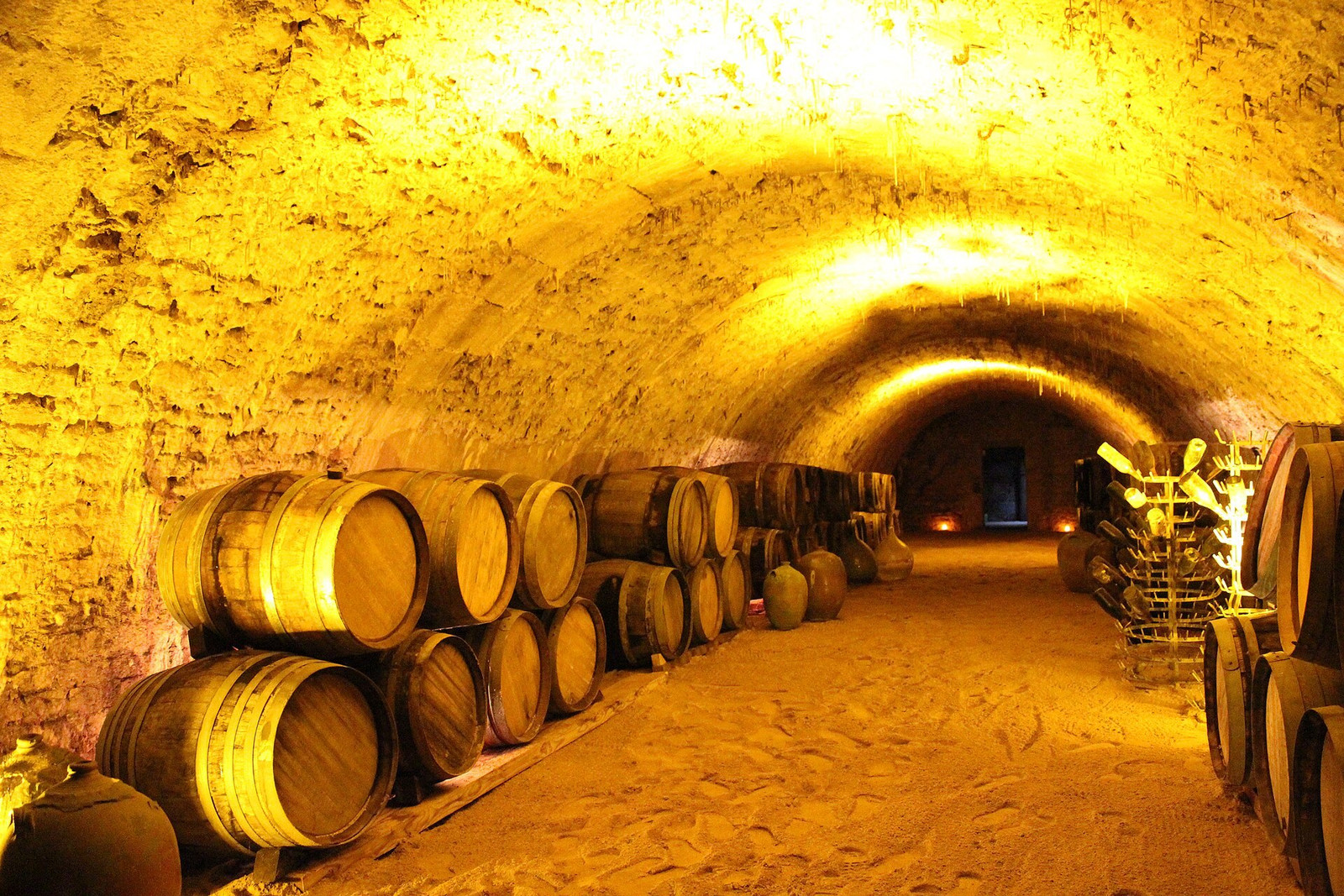

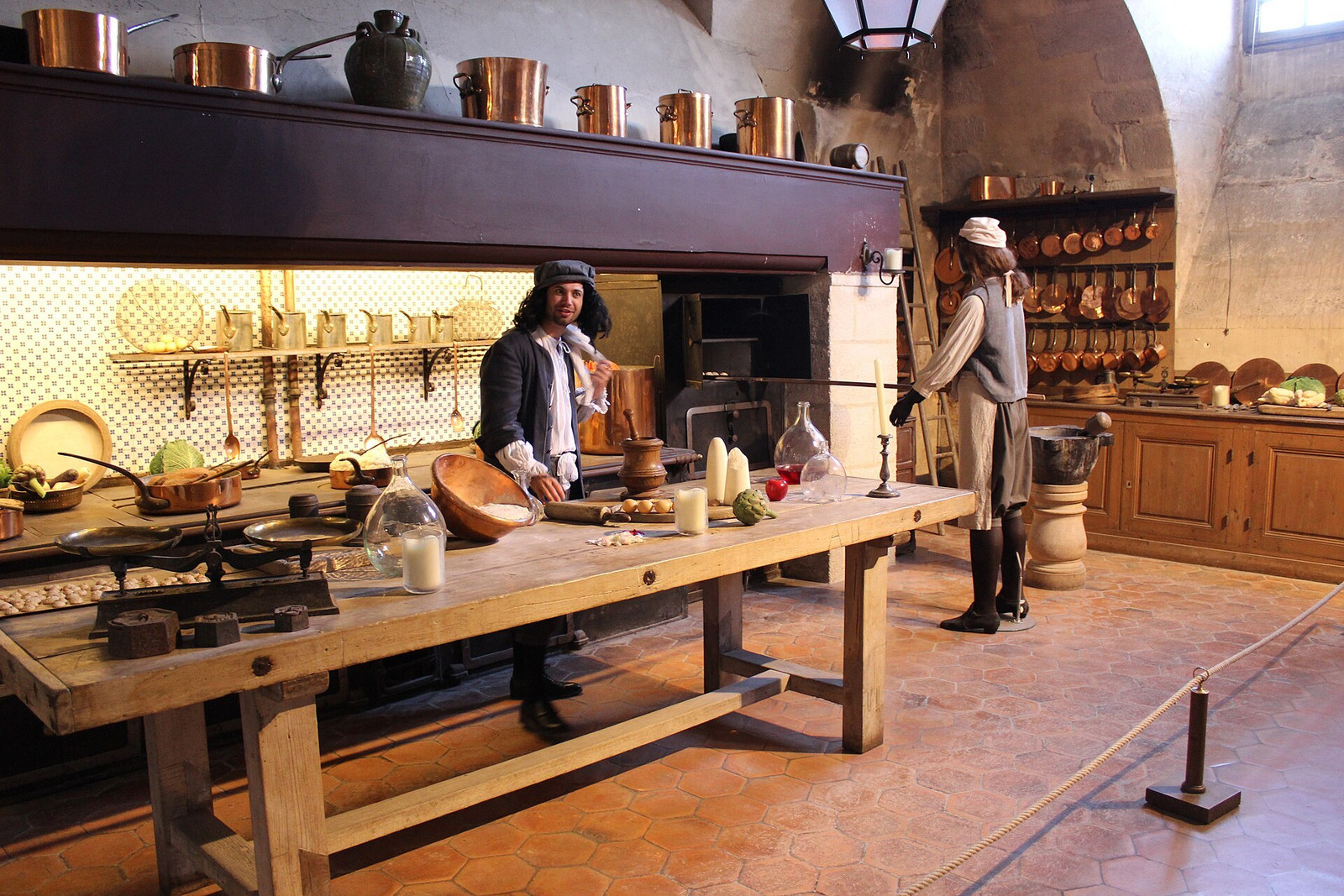

Architect Hippolyte Destailleur worked on the principal residence, while Achille Duchêne later reworked the gardens. Successive French heritage protections recognized the property across the twentieth century. Patrice de Vogüé opened it to visitors in 1968, and the estate remains under the stewardship of Sommier’s descendants.[1][9]
That continuity changes the meaning of Vaux-le-Vicomte. It is not merely the setting for one spectacular evening or a preliminary sketch for Versailles. It is an estate assembled through collaboration, nearly emptied by political catastrophe, altered by successive owners, and recovered through private preservation. Fouquet lost control of the image almost as soon as he completed it. The image survived him.
Sources and further reading
- Vaux-le-Vicomte — ownership, restoration, and stewardship chronology
- Nantes Métropole Patrimonia — planning and execution of Fouquet’s arrest
- Vaux-le-Vicomte — architecture and Louis Le Vau
- Encyclopaedia Britannica — construction, creators, and relationship to Versailles
- Vaux-le-Vicomte — André Le Nôtre and the gardens
- Vaux-le-Vicomte — Fouquet, the fête, and the creative team
- Encyclopaedia Britannica — Nicolas Fouquet’s career, trial, and imprisonment
- Palace of Versailles — Louis Le Vau and the transition from Vaux to royal work
- French Ministry of Culture — heritage record and protected elements